
Free written scope consultation - allowances, timeline, and change-order rules on paper before a single trade is scheduled
Silestone Home Additions & ADU: The Miami Owner’s Guide
If you’re planning a home addition or ADU in Miami and want Silestone surfaces in the new space, the full project typically runs $53,100 to $153,400 installed, depending on square footage, foundation work, and how much Silestone you’re specifying. That’s the honest range we quote in Miami, and it includes the Silestone countertops, backsplash, and any island surface you’re planning. Where homeowners run into trouble is not the Silestone itself. It’s the planning: they buy slabs or pick a color, then discover the addition’s framing, plumbing, or electrical has to be reworked to support what they wanted. We see it in Coconut Grove, Coral Gables, Kendall, and every older Miami neighborhood where existing homes weren’t built for modern ADU layouts.
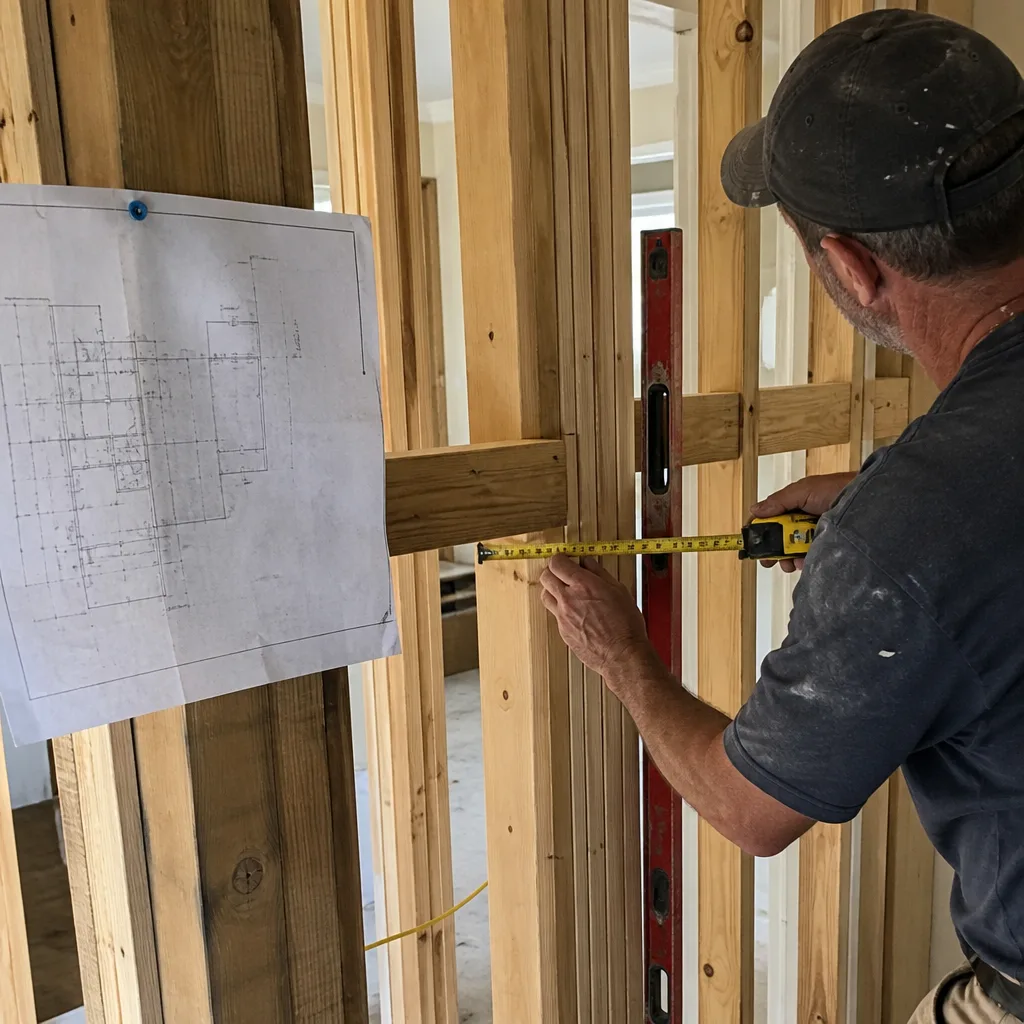
Silestone is a quartz surface, which means it’s heavy. A typical 3cm slab weighs roughly 18 to 20 pounds per square foot. That weight affects cabinet reinforcement, floor structure, and island overhang support. Most “failed” Silestone additions we walk into aren’t failed surfaces. They’re undersized cabinets, missing support brackets, or a seam that opened because the substrate shifted. That’s the part nobody tells you before you sign.
Which Silestone Models This Applies To
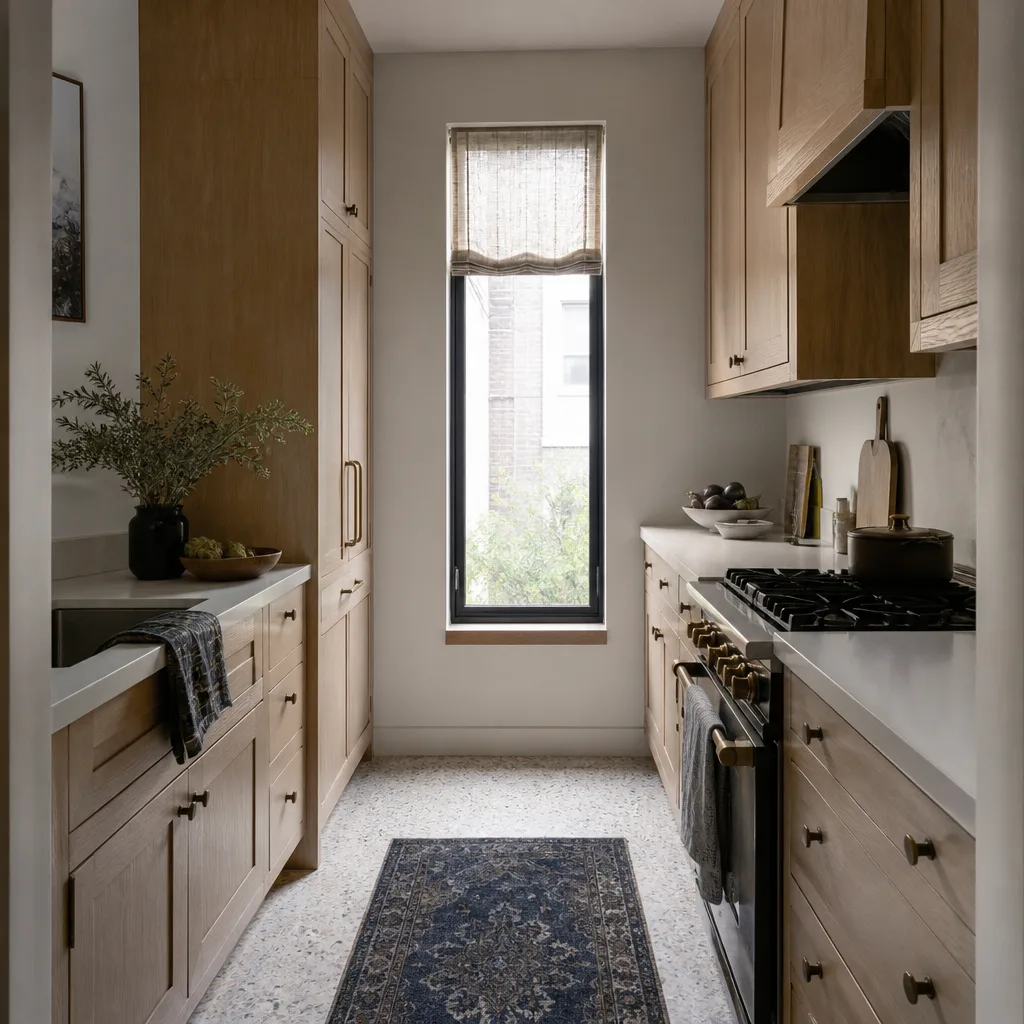
Silestone doesn’t make a separate “ADU line.” The same slabs go into kitchens, baths, laundry rooms, and outdoor cooking areas in an addition or ADU. What matters is the thickness and finish. Silestone comes in 1.2cm, 2cm, and 3cm thicknesses. For home additions and ADUs in Miami, we specify 3cm for kitchen counters and islands because it holds up to the weight of a heavy pot dropped by a tenant or a grandkid, and because it doesn’t need a plywood substrate the way 2cm sometimes does. That said, 2cm is the right call for vertical applications like shower walls or a backsplash feature wall. It’s lighter and the adhesive bond is more forgiving.
There’s a compatibility gotcha worth knowing: Silestone’s Suede and polished finishes are not interchangeable for repair purposes if a section gets chipped or cracked later. You can’t polish a Suede finish to match polished, and vice versa. If you’re putting Silestone in an ADU you plan to rent, that’s a real consideration. Tenants cause wear. A polished finish shows etching from acidic cleaners faster in Miami’s humidity. We usually steer rental ADU owners toward Suede in high-use areas, because it hides the scratches and hard water spots that Miami tap water leaves behind.
We’re an independent Miami contractor, not a Silestone dealer or affiliate. What that means for you: we buy Silestone through the same specification channels any fabricator uses, and we’re not tied to a showroom’s inventory. If a color gets discontinued or a batch sells out, we’ll tell you before we quote, not after you’ve paid a deposit.
Styles & brands we work with







Signs Your Silestone Home Additions & ADU Is Failing
We’re treating “home additions & ADU” as the part here, because that’s what fails. Silestone itself rarely fails. What fails is what it sits on, and what happens around it in a Miami addition. Here’s what we actually see:
- A seam opening at the island or along a long run. The slab was installed before the addition’s framing finished settling, or the cabinet beneath wasn’t shimmed level. In Miami, where the water table is high and soil shifts, this shows up as a hairline gap that wasn’t there at install.
- The counter overhang bounces or flexes when you lean on it. Someone skipped the steel support brackets, or used brackets rated for less weight than Silestone actually puts on an overhang. A 12-inch overhang with 3cm Silestone needs real support, not wishful thinking.
- Water damage at the seam between Silestone and the backsplash or wall. Not a Silestone problem. It’s a flashing, caulk, or waterproofing failure behind the surface. In Miami’s rainy season and humidity, this shows up fast, and by the time you see the stain, the drywall or cabinet behind it is already wet.
- Staining around the sink or faucet that won’t come out. Silestone resists staining well, but not if the sealant bead failed and water’s been sitting there for months. It’s a symptom of poor install, not poor material.
- Cabinet doors or drawers no longer close straight in the new addition. The slab weight is bowing cheap or undersized cabinets. We see this most often when someone reuses old kitchen cabinets in a new ADU and drops Silestone on top. The math doesn’t work.
See the difference
 Before
 After
After Before
 After
After Before
 After
AfterReplacement Cost & What’s Included
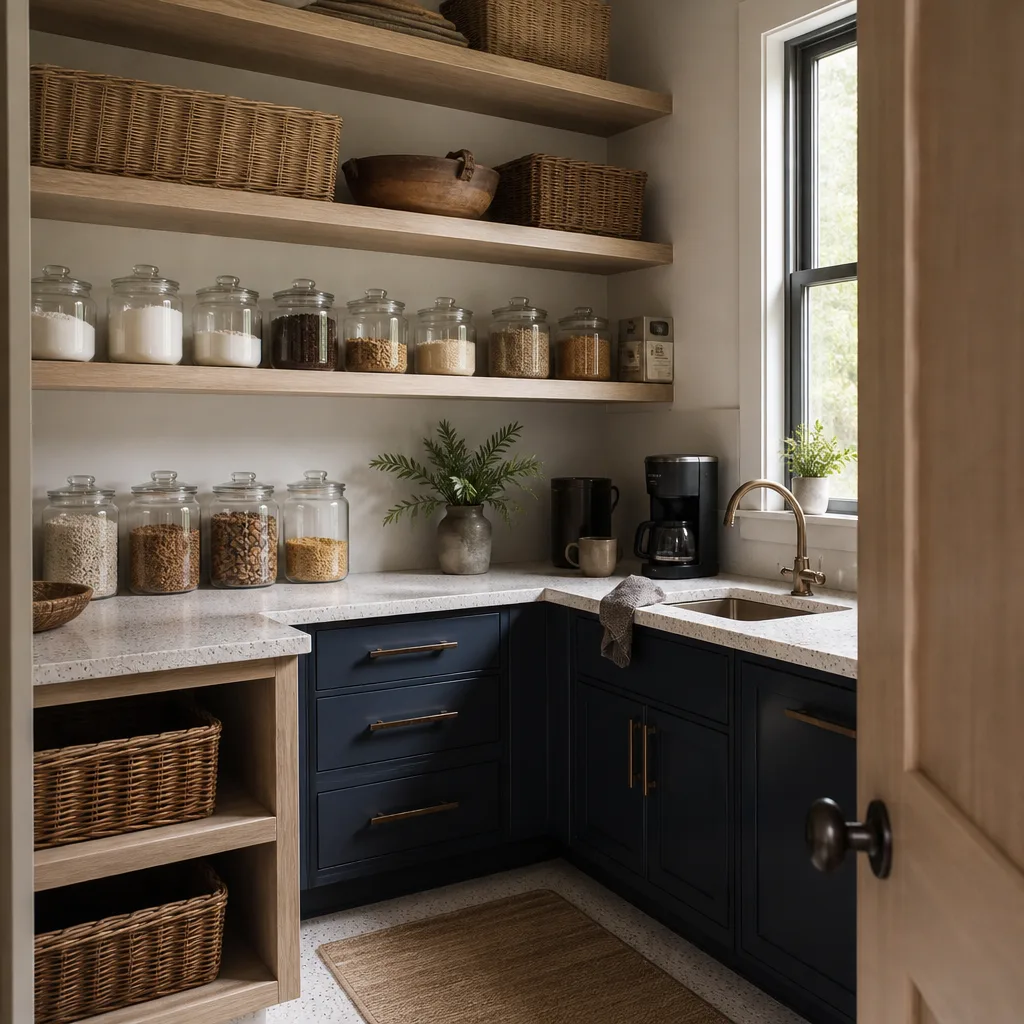
For a home addition that includes Silestone surfaces in Miami, the full project ranges from $53,100 to $153,400. That’s for the addition itself: permits, foundation, framing, roofing, plumbing, electrical, drywall, flooring, and the Silestone specified for kitchen and bath areas. Here’s what drives the range in Miami specifically:
- Foundation type. Slab-on-grade is standard in most of Miami. If your addition needs elevated foundation work because of flood zone requirements, the price climbs fast. FEMA elevation rules in parts of Miami add real cost.
- Silestone coverage area. A galley kitchen in a 400-square-foot ADU uses far less Silestone than a full kitchen with a waterfall island. You’re looking at roughly $2,360 to $7,670 for countertop installation alone, depending on the square footage and edge profile.
- ADU vs addition. A detached ADU is a bigger project than adding square footage to the existing house. The ADU construction range in Miami starts around $106,200 and can reach $259,600 with higher-end Silestone and finishes.
- Plumbing and electrical distance. The farther the new kitchen or bath is from existing lines, the more trenching, copper, and labor go into it.
We give you a written price before any work starts. That price includes the Silestone material, fabrication, installation, and the structural support required underneath it. It includes permits and inspections, because we pull them. It does not change unless you change the scope. And if the work isn’t right within 365 days of completion, we come back and fix it at no cost under our 365-Day Done Right Promise.
DIY or Call Us?
You cannot safely DIY a Silestone slab in a home addition. This is not a “watch a tutorial and save money” situation. A 3cm quartz slab can weigh 400 to 600 pounds. Fabrication requires a water-fed bridge saw, diamond tooling, and a proper shop. Moving a slab through a Miami construction site without damaging it, or yourself, is genuinely dangerous. We’ve had to tear out more than one DIY counter “fix” where the homeowner cracked a corner trying to cut a sink opening with an angle grinder.
What you can do before calling us: measure your runs, decide on a thickness, and gather photos of your floor plan. That speeds up the estimate. But the cutting, polishing, leveling, and support work needs a crew that does this every week. Isaac Pruett has been working Miami additions long enough to tell you exactly where a Silestone install will fight you, and we quote accordingly.
Tell me what you need done. I’ll tell you what it costs and when it’s finished, and I’ll mean both. Call (850) 780-8123 and we’ll walk the site, confirm measurements, and give you a number in writing.
FAQs
Silestone quartz surfaces last 25-plus years with normal use, which outlasts most of the cabinets and framing they sit on. The bigger variable in Miami is the install and substrate quality, not the Silestone itself. Need specifics on your layout? Call (850) 780-8123.
Small chips can be filled and color-matched by a fabricator, but a crack that runs through the slab usually means replacement of that section. The repair decision depends on where the crack is and whether the surface is Suede or polished finish. We can assess it on site and tell you straight. Call (850) 780-8123 for a free estimate.
The Silestone fabrication and install portion typically takes 7 to 14 days from template to finished countertop, but it has to be scheduled after the cabinets are set and the addition is dried in. The full ADU or addition runs months, not weeks. We’ll give you a written schedule before anyone picks up a tool. Call (850) 780-8123.
We don’t store full slabs on site. We order Silestone per project through our fabrication partners, which means you get the color and thickness you actually selected, not whatever was sitting in a warehouse. We also work with Cambria, Caesarstone, KraftMaid, Cambria, and Kohler for related finishes, so you’re not locked into one brand. Call (850) 780-8123 to check current lead times.
No. Mason Remodeling Co Miami gives you a written price before any work begins, on every project, every time. If we find something hidden once we open a wall, we stop and show you what we found and what it costs before doing anything else. There are no surprise invoices. Call (850) 780-8123 for an exact quote based on your addition or ADU plans.
Written by Isaac Pruett, Owner, Mason Remodeling Co Miami at Mason Remodeling Co Miami, serving Miami and nearby areas.


