
Free written scope consultation - allowances, timeline, and change-order rules on paper before a single trade is scheduled
CGI Home Additions & ADU: The Miami Owner’s Guide
If you have a CGI home addition or ADU that’s showing its age, here’s the straight answer: we work on CGI-built additions and ADUs throughout Miami, and a full home addition or ADU build with us runs $53,100 – $153,400 depending on square footage, finishes, and site conditions. Most owners first notice a problem when the addition feels hot in ways the main house doesn’t, when doors start sticking, or when the roofline where the addition ties in starts showing water stains. Some of it is normal Florida settling. Some of it is the original builder cutting corners where the new structure meets the old one.
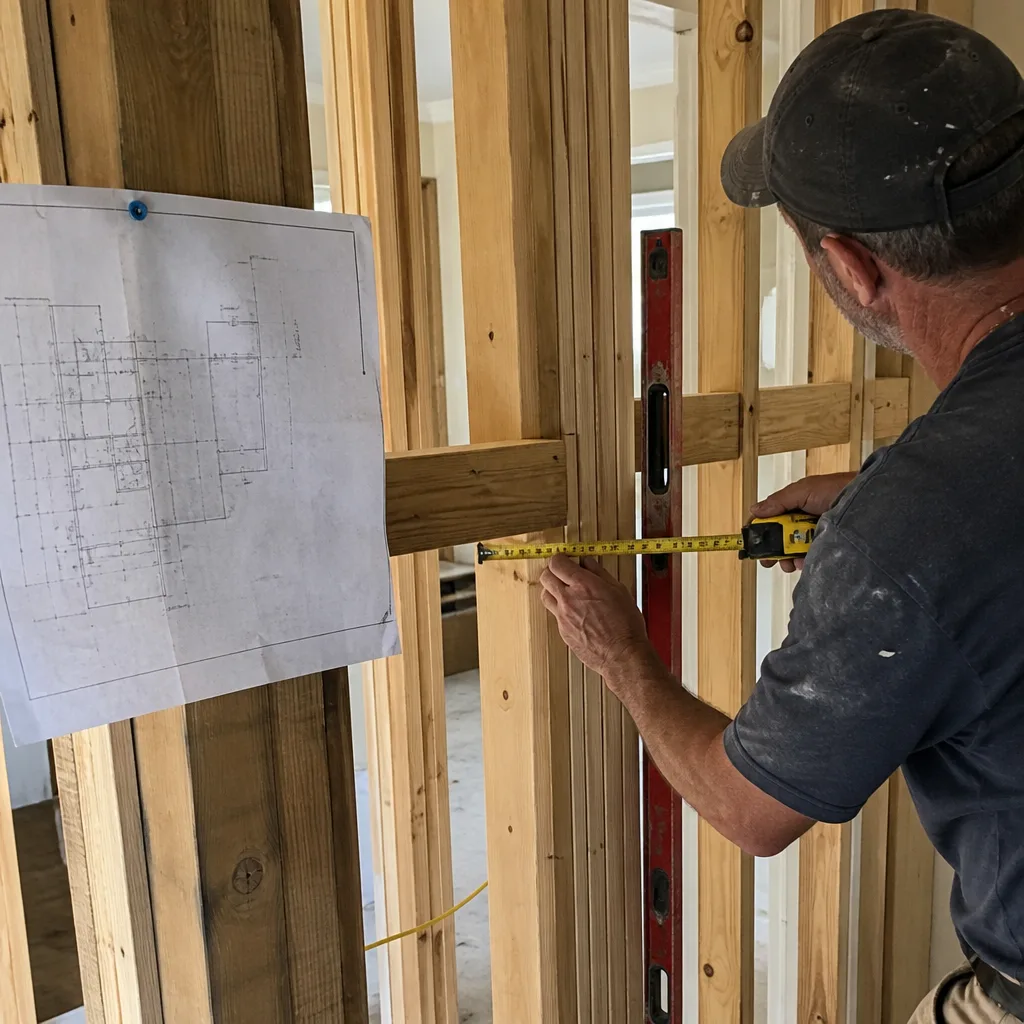
We’re an independent Miami contractor. We’re not affiliated with CGI, but we’ve spent well over a decade working on their additions and ADUs across Coconut Grove, Coral Gables, Kendall, and the broader Miami area, so we know where these structures fail and what it takes to make them right. Isaac Pruett has been reading job sites like this since he first picked up a framing hammer in Los Angeles, and the crew he runs now in South Florida sees CGI work regularly.
Key takeaways:
- CGI additions and ADUs in Miami typically need major attention every 15 – 20 years, sooner if the original tie-in was rushed.
- We deliver a written price before any work starts, every time. No verbal estimates that grow on the final bill.
- Every crew member is identity-verified under the Threshold Standard. You get the name and photo of who’s coming before they arrive.
- The 365-Day Done Right Promise covers the work for a full year from completion.
Which CGI Models This Applies To
CGI has produced several lines of pre-engineered and site-built additions over the years, and the compatibility question usually comes down to how the original structure was framed and tied in. The older CGI sunroom and lanai enclosure lines tend to use lighter-gauge aluminum framing with a specific channel profile that doesn’t accept standard residential lumber without modification. The newer CGI ADU and full addition lines are typically wood-framed or hybrid steel-and-wood, which gives you far more flexibility when it’s time to replace a section or rebuild a wall.
Here’s the gotcha most Miami homeowners don’t know: the roofline tie-in flashing on older CGI additions is often under-spec’d for South Florida’s wind-driven rain. The original install may have passed inspection years ago, but after a decade of afternoon thunderstorms coming sideways off the bay, that flashing channel loosens, lifts, and lets water in behind the fascia. When we open one of these up, we almost always find the same thing: the original builder used a one-piece flashing detail that doesn’t allow the two structures to move independently. Miami’s heat expands and contracts materials more aggressively than most of the country, and that differential movement is what eventually tears the seal.
If you still have the original permit packet or a label plate on the addition’s frame, that tells us a lot. Look for a small metal tag near the main tie-in point or at the corner post. If you can’t find one, we can identify the line from the framing style and channel dimensions during the estimate, which is free.
When it comes to OEM versus aftermarket for CGI-specific components, here’s the honest split: for structural framing members and tie-in hardware, we source CGI-compatible or equivalent-spec materials every time. For finishes like flooring, drywall, cabinetry, and counters, you’re better off choosing from the brands we already partner with: KraftMaid, Cambria, and Silestone, among others. There’s no reason to pay a premium for a CGI label on a finish product that has nothing to do with the structure.
Styles & brands we work with







Signs Your CGI Home Additions & ADU Is Failing
- Water staining at the roofline where the addition meets the house. This is the number one failure point on CGI additions in Miami. The flashing detail gets worked loose by heat expansion and wind, and water finds the gap. Once you see staining on the ceiling inside, the leak has been active for months.
- Doors and windows that stick or won’t latch. The addition is settling at a different rate than the main house, or the original slab wasn’t properly tied into the existing foundation. In Miami’s sandy, shifting soil, differential settlement is common and gets worse over time.
- A visible gap or crack at the seam where the addition meets the original exterior wall. This is structural movement, not cosmetic cracking. The two structures are pulling apart, and every hurricane season that gap gets tested harder.
- The addition is consistently hotter or colder than the rest of the house. Older CGI lines were built with minimal insulation, which made sense for a three-season sunroom in a milder climate but turns into a heat box in a Miami summer. That’s a comfort problem that’s also driving your energy bill up.
- Sagging or soft spots in the floor near the exterior walls. Water intrusion at the base plate rots the sill and rim joists. By the time you feel it underfoot, the repair is no longer a patch job. It’s replacement framing, which is exactly what our crew is built to handle.
See the difference
 Before
 After
After Before
 After
After Before
 After
AfterReplacement Cost & What’s Included
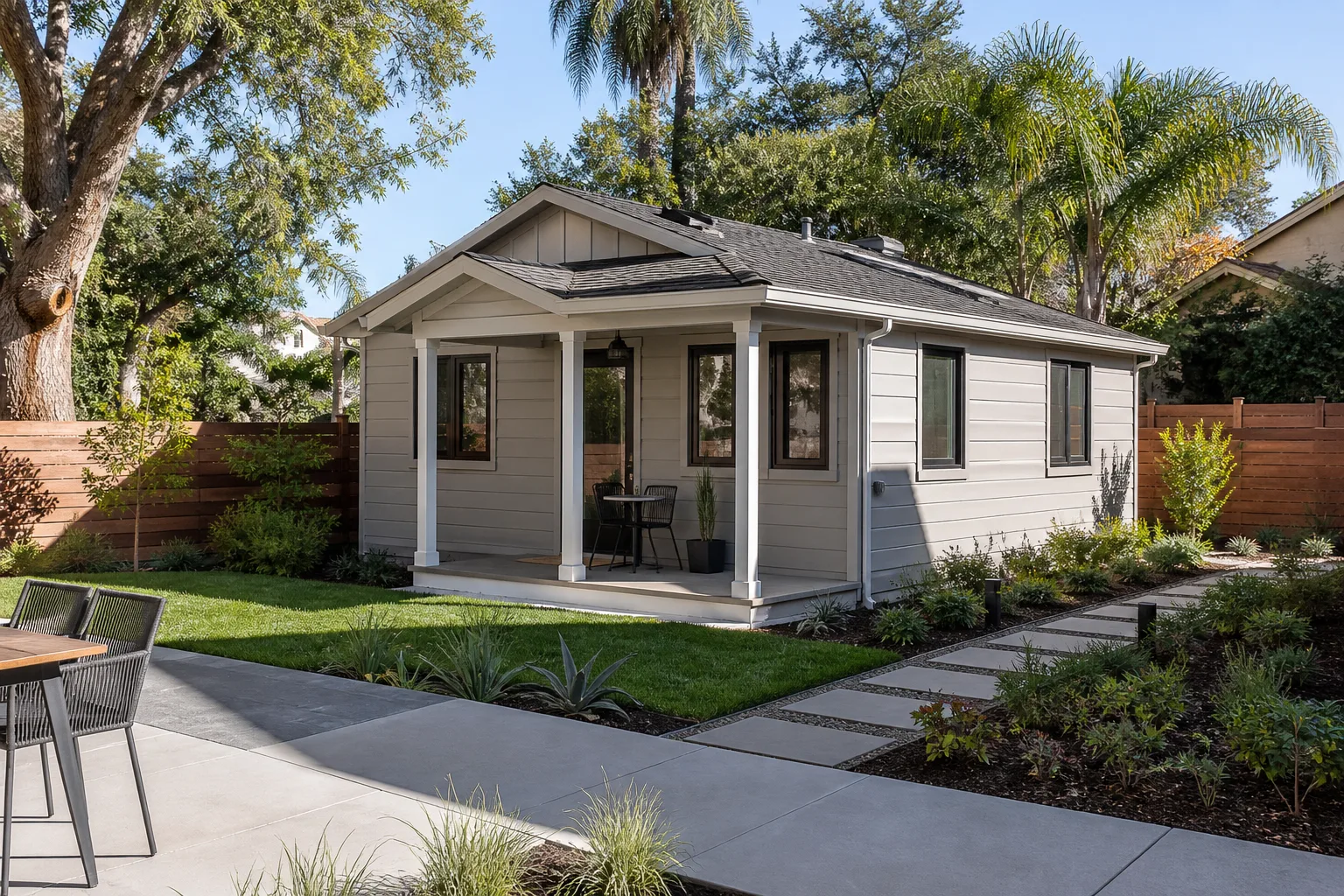
In Miami, a full home addition runs $53,100 – $153,400. An ADU construction project runs $106,200 – $259,600. A garage conversion falls between $35,400 – $94,400. Those are honest ranges, and they cover what most CGI owners actually need when the structure is failing: demolition of the damaged sections, new framing ties, proper flashing at the roofline, insulation, drywall, finish work, and the necessary permits.
What drives the price? Square footage is the biggest factor, but it’s not the only one. If the original slab is cracked or sinking, you’re looking at foundation work before anything else happens. If the tie-in to the main house requires structural engineering, that adds cost too. And Miami’s permit and inspection process for additions is rigorous, which is a good thing for you, but it means the job takes longer and costs more than a simple remodel. We pull the permits, we pass the inspections, and that’s included in the written price we give you before any work starts.
Every project comes with the 365-Day Done Right Promise. If the work isn’t right within a year of completion, we make it right at no cost to you. No fine print games. It’s written down, with clear terms, and you get a copy.
DIY or Call Us?
You can safely do a few things yourself: check the roofline flashing for obvious gaps or lifting, look for water staining on the ceiling near the tie-in, and watch for cracks that widen over a few weeks. Take photos. Measure the gap if you see one. That information helps us give you a faster, more accurate estimate when you call.
What you shouldn’t do is try to repair structural framing, re-flash a roofline, or jack up a settling slab on your own. These are not weekend projects, and the risk goes beyond the structure itself. Roof-edge work on a Miami addition means working at height, and a failed tie-in repair can collapse a section of roof. This is the point where a trained crew earns its money. Our technicians are background-checked, identity-verified, and you’ll get their name and photo before they ever set foot on your property. That’s the Threshold Standard, and it applies to every single visit.
Call (850) 780-8123 and tell us what’s going on. We’ll schedule a free estimate, put the price in writing, and you’ll know exactly who’s coming to your door before they arrive.
FAQs
A properly built and maintained addition should last 30 – 50 years structurally, but the tie-in points and flashing typically need attention every 10 – 15 years in Miami’s climate. Heat, humidity, and wind-driven rain take a real toll on the materials connecting the addition to the main house. Call (850) 780-8123 and we’ll tell you honestly whether yours needs a repair or a rebuild, and the estimate is free.
It depends entirely on what’s failing. Flashing can be replaced, sagging floors can be reframed, and settlement can sometimes be stabilized. But if the structure has been wet for years and the framing is compromised, partial or full replacement ends up costing about the same as repeated patch jobs. We’ll show you what we found, explain your options, and give you a written price for each. Call (850) 780-8123 to schedule the estimate.
Most repair jobs take 1 – 3 weeks from start to inspection. A full rebuild or new ADU construction typically runs 2 – 5 months depending on scope, permits, and Miami’s inspection schedule. We give you a timeline in writing along with the price, before anything begins. Call (850) 780-8123 and we’ll walk you through what to expect for your specific project.
We keep the most commonly needed materials on our trucks: flashing, framing hardware, sill plates, and tie-down components. Anything project-specific is ordered once we’ve seen the job and confirmed exactly what the structure requires. You’ll see every line item on the written price before we start. Call (850) 780-8123 for a free estimate.
Written by Isaac Pruett, Owner, Mason Remodeling Co Miami at Mason Remodeling Co Miami, serving Miami and nearby areas.


