
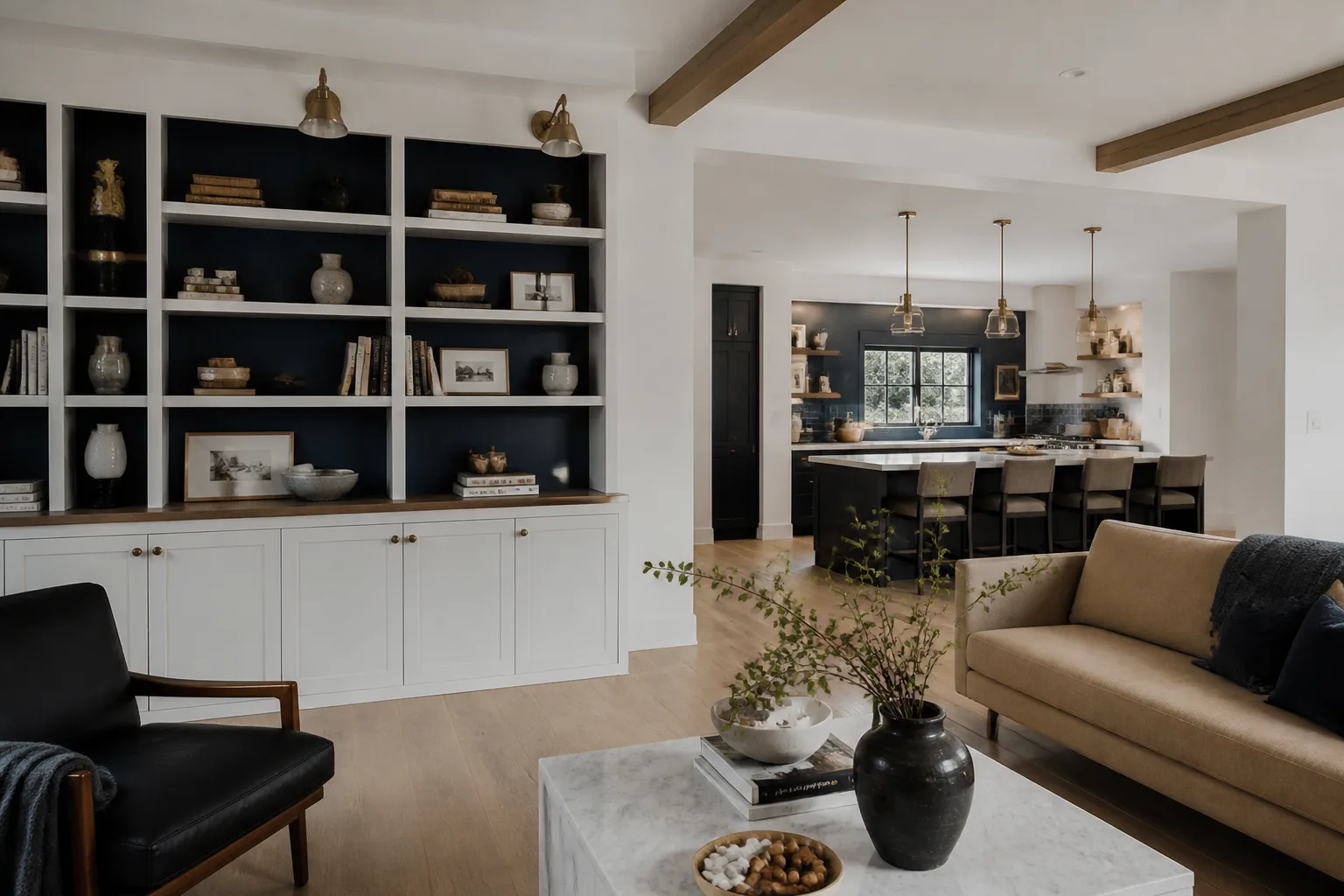
Free written scope consultation - allowances, timeline, and change-order rules on paper before a single trade is scheduled
Cambridge Pavers Home Additions & ADU: The Miami Owner’s Guide
If you’re planning a home addition or ADU in Miami with Cambridge Pavers hardscape work tied into the build, expect to pay between $53,100 and $153,400 for a permitted, code-compliant structure, including the paver driveway, walkway, or patio scope that Cambridge materials typically anchor. Most owners don’t discover a problem with the pavers themselves until the ground shifts: you’ll see a lip form at an edge, a paver crack under a downspout, or a low spot where water pools after a Miami afternoon storm. The pavers rarely fail first in an addition or ADU project. What fails is what’s underneath them, and that’s where the real cost shows up.
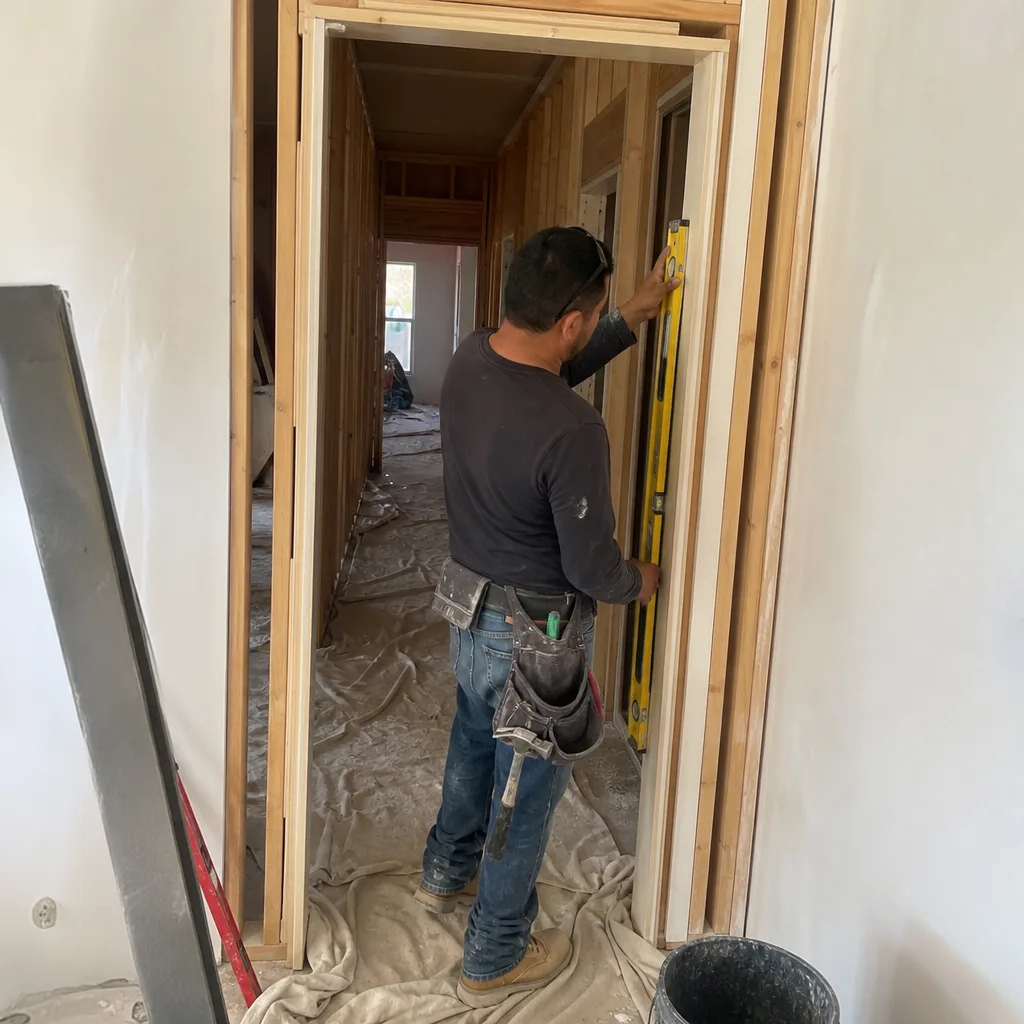
We’re Mason Remodeling Co Miami, and we’ve been building additions, ADUs, and paver hardscape in South Florida for over a decade. We stock common Cambridge Pavers replacement units and matching edge restraints on our trucks, and we pull permits on every structural job. If your addition or ADU pad is heaving, cracking, or draining wrong, call (850) 780-8123 and we’ll send someone who can read the site and give you a straight number.
Which Cambridge Pavers Models This Applies To
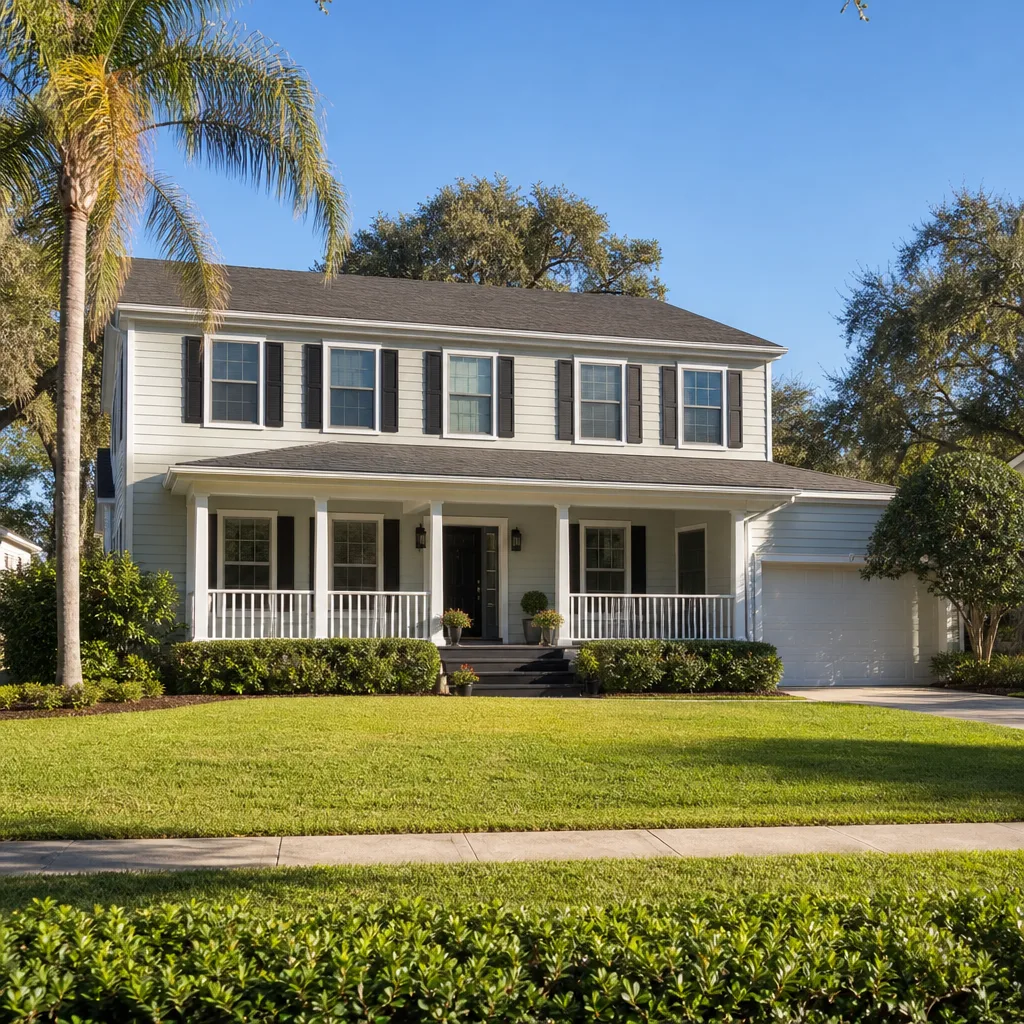
Cambridge Pavers makes three product families that matter for Miami additions and ADUs: Ledgestone (irregular edge, modular sizing for patios and pool decks), Sherwood (a tumbled, old-brick look that hides wear), and Maytrx (a contemporary plank-style paver with wider joints). Each family has different thickness specs. Ledgestone and Sherwood run 60mm for pedestrian areas and 80mm for driveways. Maytrx runs 60mm and has a tighter joint width of about 1/8 inch, which makes it less forgiving if the base shifts.
Here’s the compatibility gotcha most Miami homeowners don’t know until they’re standing in a supply yard: Cambridge Pavers change their color blends subtly from year to year, and a paver you bought in 2018 will not perfectly match a “same name” paver from 2025. Always keep the manufacturer label from the original pallet if you can. It’ll have the plant code, the blend number, and the run date. If you’re adding a new paver section to an existing Cambridge installation, we can pull from your existing patio or walkway and re-lay the whole field so the match is invisible. That’s the honest way to do it, and it’s what we recommend over buying a “close enough” batch.
One more Miami-specific detail: Cambridge offers a Permeable paver line that’s rated for FEMA flood-zone compliance in some Miami-Dade applications. If your ADU sits in a flood zone, your paver choice affects your permit path. We know which Cambridge products meet Miami-Dade’s permeability ratings, which saves you a prescriptive fight at the counter.
Styles & brands we work with







Signs Your Cambridge Pavers Home Additions & ADU Is Failing
- Edge pavers are drifting outward. The outside course is pushing away from the field. In Miami, this usually means the edge restraint wasn’t spiked deep enough into the subgrade, or the base under the perimeter wasn’t compacted in lifts. Fix the restraint and the drift stops. Ignore it and the whole edge opens up like a zipper.
- Water pools in one corner after every storm. Flat paver sections in Miami fight two enemies: our daily downpours and our flat grade. A low corner means the base material eroded or migrated, which means water is carrying sand out through the joints. Once the sand goes, pavers start rocking.
- You can feel a paver rock under your heel. A rocking paver means the base under that single unit has hollowed out or the sand bed has thinned. It’s not just that paver. The one next to it will be next. Left alone in a wet Miami summer, a small rock turns into a cracked paver and a bigger repair.
- Faint white haze or a cracked surface on one or two pavers. Cambridge pavers are dense, but a paver that sits in constant water wick at the base of a downspout will absorb moisture and efflorescence or spall. The fix is usually redirecting water first, then replacing the damaged units. Pavers don’t fix themselves; the water keeps coming until you route it somewhere else.
- The paver field sits lower than the foundation slab near the new ADU. Over time, new construction settles. If your paver patio or walkway near the new addition has dropped a half-inch or more, your base wasn’t compacted to the right density or was placed on uncompacted fill from the addition’s excavation. We see this in Miami constantly when ADUs are added to older lots and the fill wasn’t tested before paving.
See the difference
 Before
 After
After Before
 After
After Before
 After
AfterReplacement Cost & What’s Included
For a Cambridge Pavers home addition or ADU project in Miami, the full installed range runs $53,100 to $153,400. That range includes the structural scope, but here’s how the paver-specific portion breaks down for a typical 400-square-foot driveway or walkway section tied to your addition:
- Paver driveway installation: $8,260 – $21,240 (Cambridge Pavers product and delivery included)
- Paver patio installation: $4,130 – $12,980 (includes base prep, sand, compaction, edge restraint)
- Paver repair or re-level on an existing Cambridge field: $1,200 – $4,500 for a section, depending on access and how much base material needs rework
What drives the paver cost: thickness (60mm vs 80mm), how much base stone we have to cut out and re-compact, and whether the site has drainage problems that need a French drain or catch basin added. Miami’s flat grade means almost every paver project here needs drainage consideration. We write the drainage scope into the quote from the first line, not as a surprise at the end. Every project gets a written price before we start work. No change orders, no “we ran into something” invoices. Isaac Pruett reads the job site once, gives you the number, and means it.
DIY or Call Us?
If you’ve got a single rocking paver and you want to lift it out, re-bed the sand, and set it back before the next storm, that’s a small job an owner can handle. You’ll need a flat pry bar, some coarse sand, and patience. Check the joints around it while you’re down there. If the base stone under the sand is soft or muddy, stop. That’s not a sand fix.
Where DIY goes wrong in Miami is when owners misdiagnose the failure. A paver that’s dropped half an inch isn’t a paver problem, it’s a base compaction problem. You can spend a weekend lifting and resetting pavers and have them settle again by August. The other big mistake is buying “matching” Cambridge Pavers from a big box store and creating a two-tone patch that’ll bother you every time you walk out your door. We stock Cambridge-compatible edge restraints and a range of replacement units, and we can bring a sample board with exact blend names so you see the color in daylight before we order. If you’re not sure, call (850) 780-8123. Tell me what you need done. I’ll tell you what it costs and when it’s finished, and I’ll mean both.
FAQs
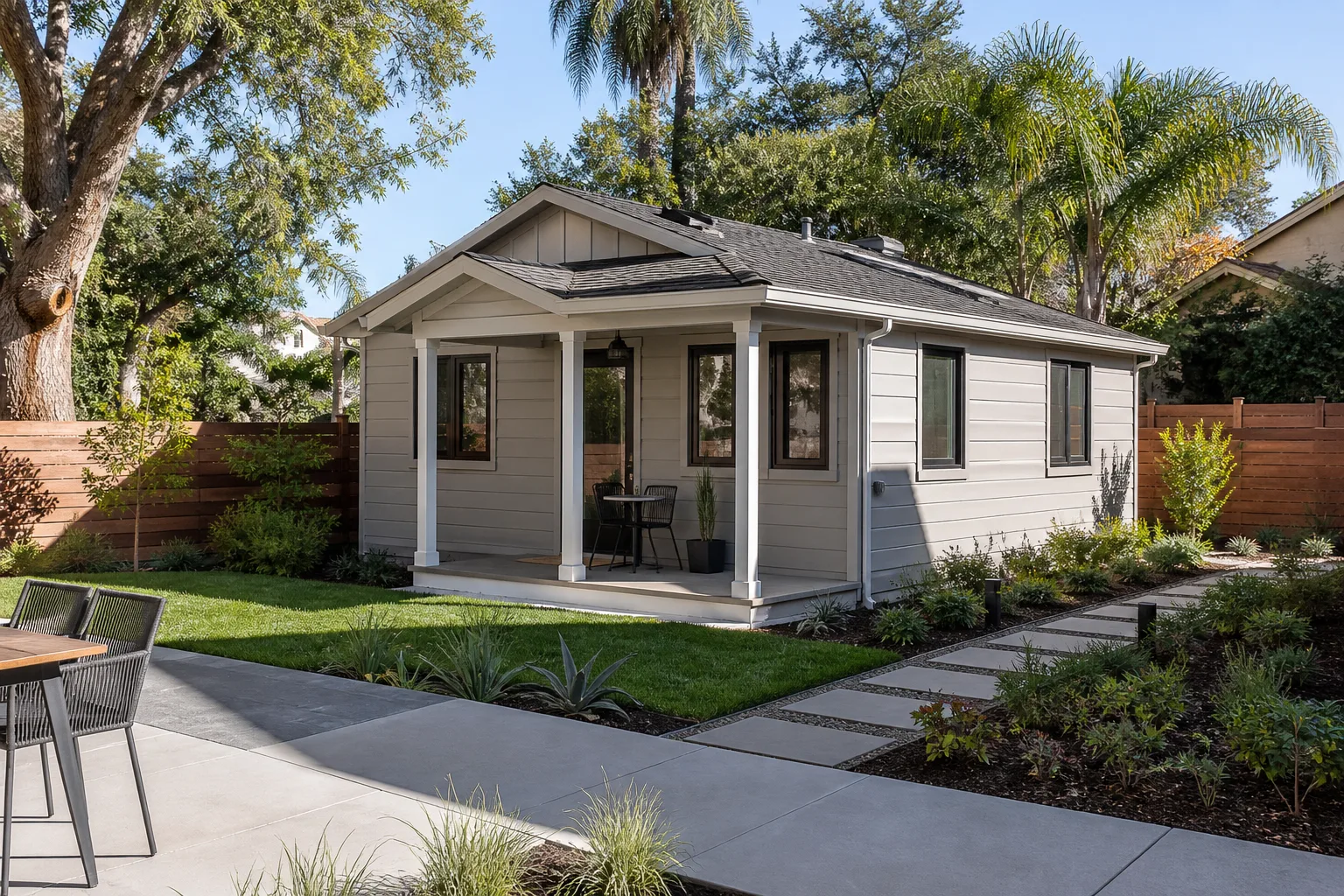
Cambridge Pavers are rated for a 25-year minimum lifespan under residential use, but the base underneath them is what decides how many of those years you actually get in Miami. Our heat and rain cycles cause more base erosion than the pavers themselves will ever see from foot or vehicle traffic. A properly compacted base in Miami will hold a Cambridge paver field for 20 to 30 years before any meaningful re-leveling. A bad base will show movement within 2 to 3 years. Call (850) 780-8123 and we’ll tell you which one you’re standing on.
Yes, unless the base has failed completely. Individual cracked or spalled Cambridge Pavers can be pulled and swapped without disturbing the rest of the field, as long as we have or can source a matching blend. If the sand joints have washed out and the base stone has eroded, the repair requires lifting the section, re-grading and compacting the base, then re-laying and sanding the pavers. That’s a repair, not a replacement, and it’s usually a one-day job for a typical Miami patio or walkway section.
A section repair or re-level on an existing Cambridge field typically takes one to two days in Miami, depending on access and drainage work. A full paver driveway or patio installation as part of a home addition or ADU project usually runs three to five days. We always include a written schedule with the written price, and we build in Miami rain days so you’re not surprised when a storm eats a morning.
We keep common Cambridge Paver replacement units and edge restraints on our trucks, so if you’ve got a few cracked or drifted pavers, we can usually repair them on the first visit. If you need a color match for a larger field, we bring a sample board to your home and match it in daylight against your existing installation. For ADU and addition work, every Cambridge order is placed to your specific blend code, not whatever’s on sale at the supply house.
Planning a home addition or ADU in Miami with Cambridge Pavers already on the property, or need a paver field repaired before construction starts? Call (850) 780-8123 for a free estimate and a written price. Mason Remodeling Co Miami is an independent contractor, not affiliated with Cambridge Pavers, but we know their product lines well enough to match, lay, and repair them correctly in South Florida’s ground conditions. We also work with KraftMaid, Cambria, and Silestone product lines on the interior side, so your addition can go from slab to finished space with one accountable crew.
Written by Isaac Pruett, Owner, Mason Remodeling Co Miami at Mason Remodeling Co Miami, serving Miami and nearby areas.


