
Free written scope consultation - allowances, timeline, and change-order rules on paper before a single trade is scheduled
Cambria Home Additions & ADU: The Miami Owner’s Guide
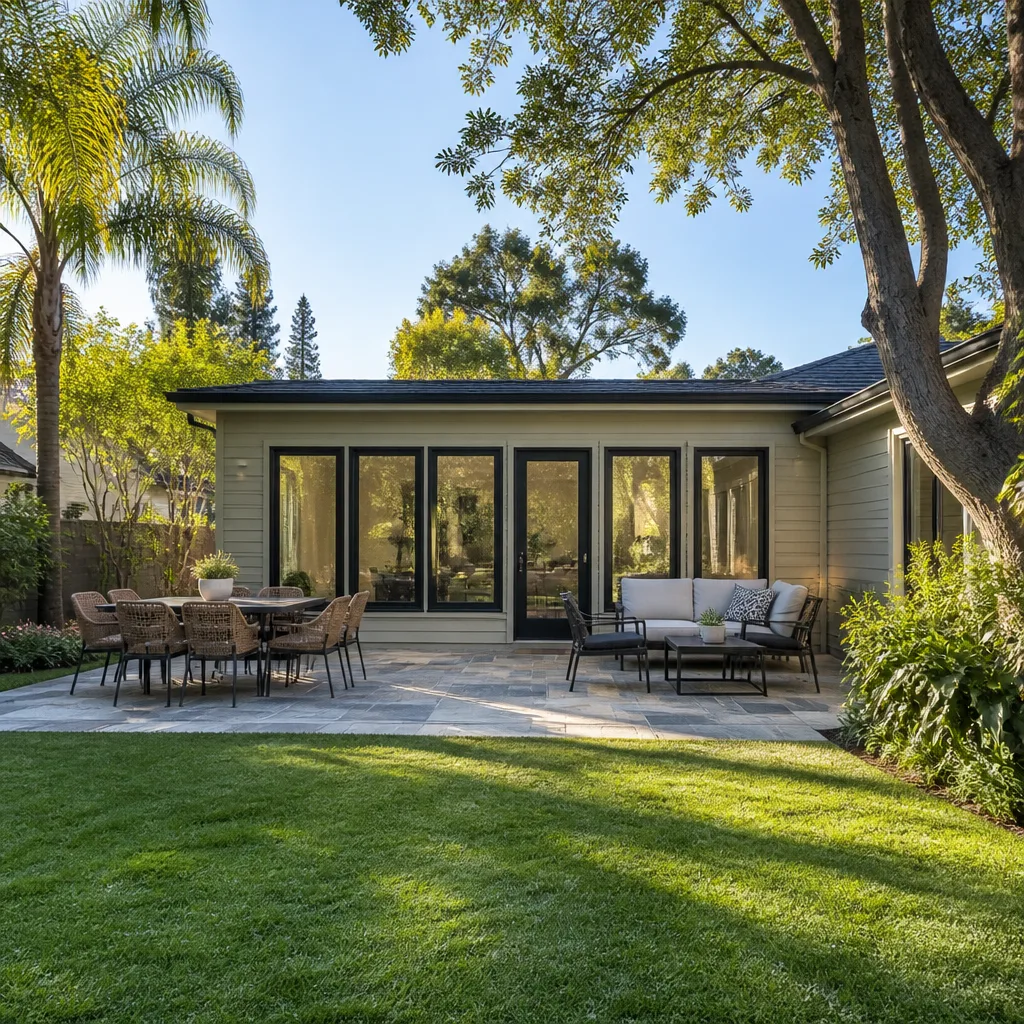
Cambria home additions and ADU construction in Miami typically run $53,100 to $153,400, depending on square footage, foundation type, and whether you’re building up or out. We stock Cambria quartz slabs and Cambria-compatible trim, edge profiles, and installation materials for additions, garage conversions, and accessory dwelling units across Miami-Dade County. Most Miami homeowners discover they need this level of work when a growing family outpaces the existing footprint, an aging parent needs a ground-level suite, or a rental ADU pencils out as real monthly income.
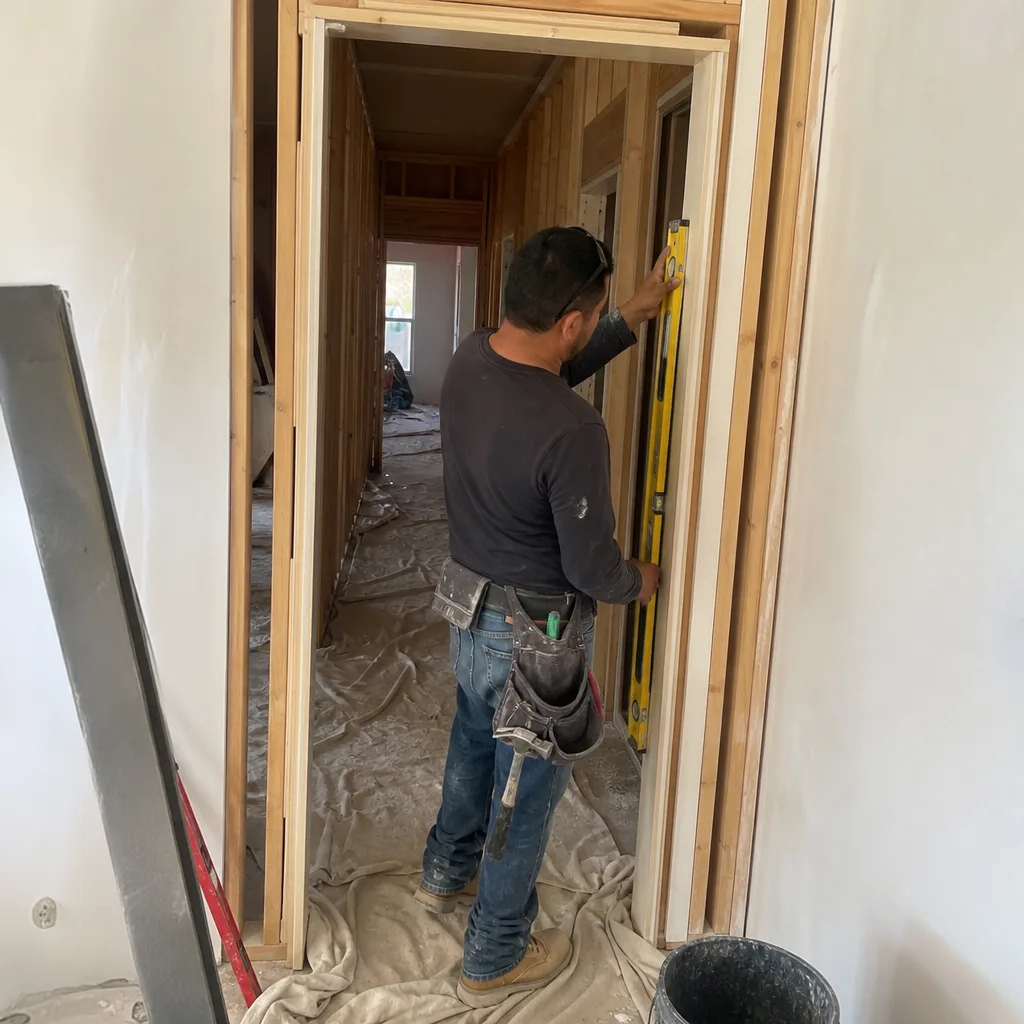
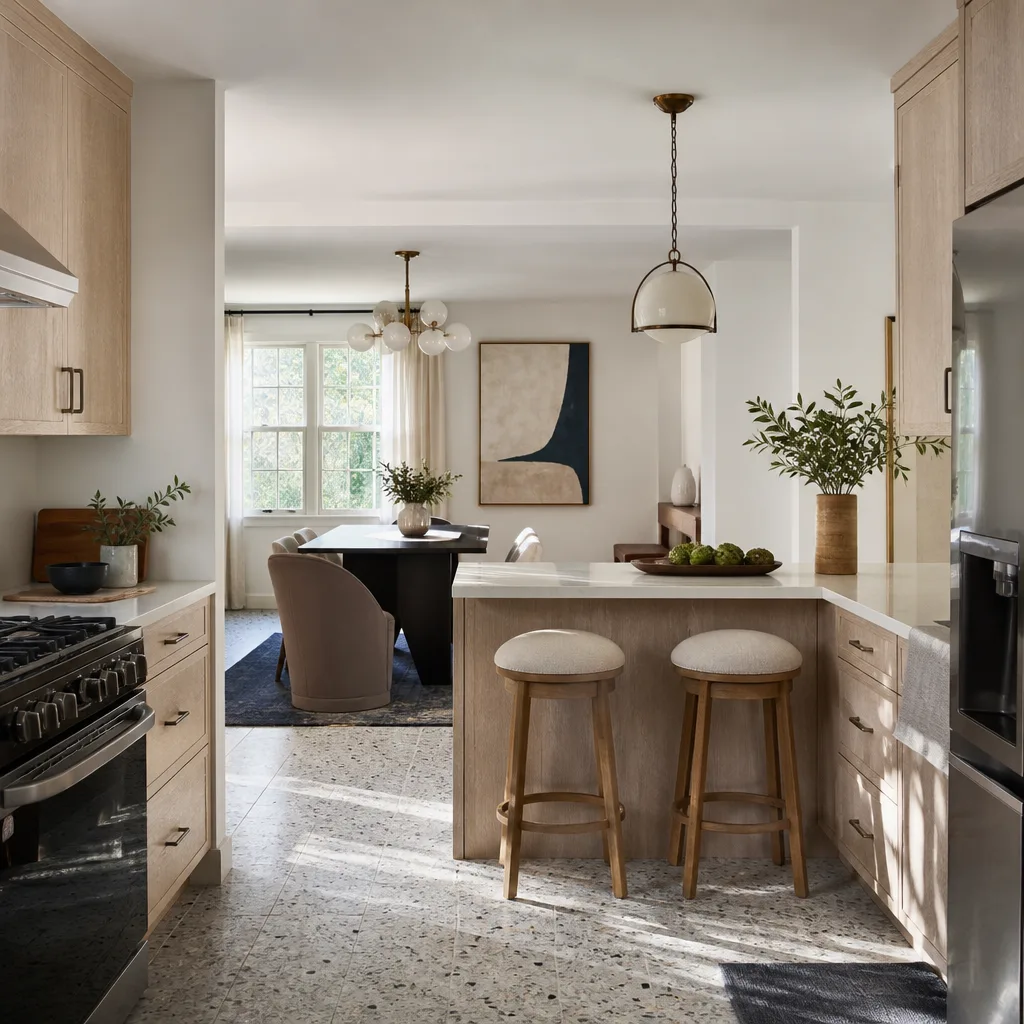
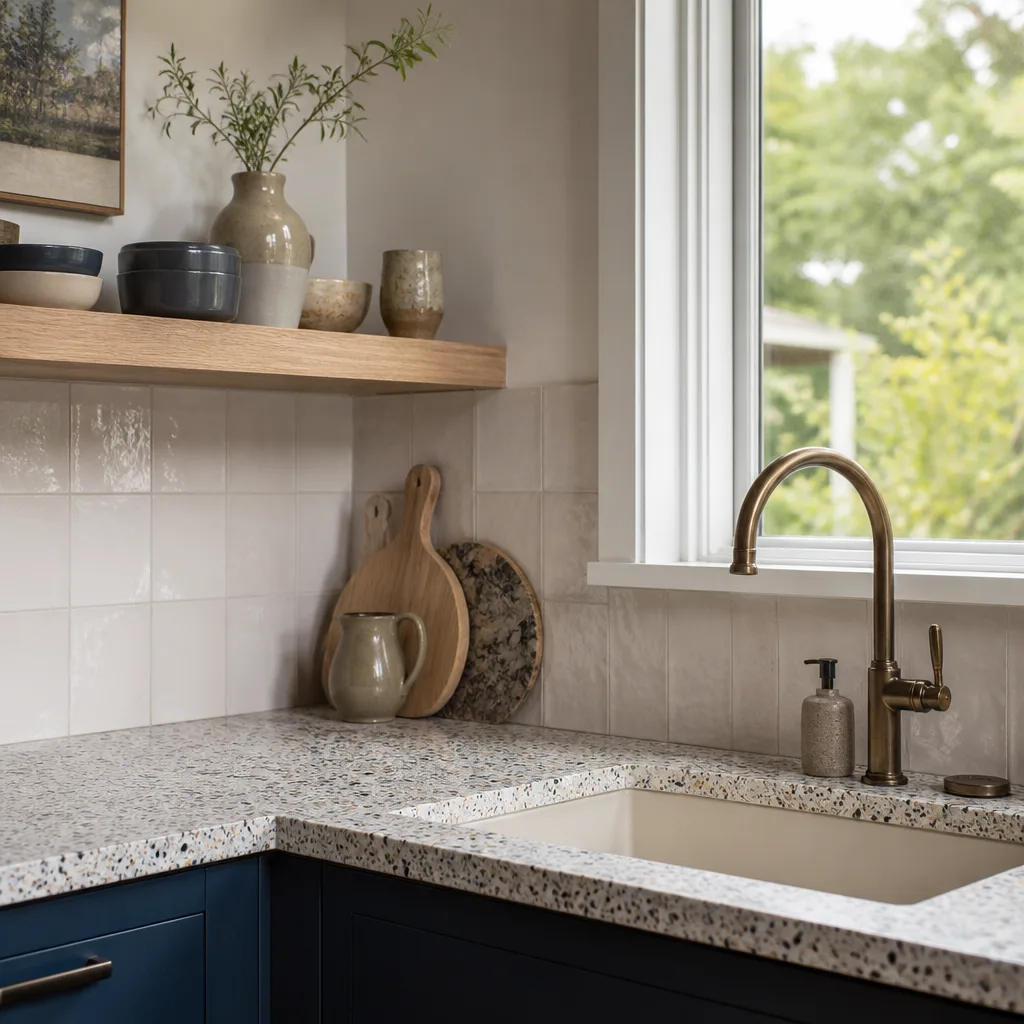
Here’s the honest picture: a home addition is not a parts swap. It’s a structural build that has to meet Miami-Dade’s wind-load codes, flood elevation requirements in many neighborhoods, and the county’s notoriously strict inspection process. The Cambria part matters too, though. If you’re extending a kitchen or adding a bath to a new ADU, the Cambria surfaces you choose now have to match what’s already in the house, or you’ll have a two-tone mess no amount of trim will fix. We’ve matched Cambria’s Torquay, Brittanicca, and Seagrove patterns across additions in Coconut Grove, Kendall, and Pinecrest, and we know which designs are still in production versus discontinued.
Key Takeaways
- Full home additions in Miami cost $53,100-$153,400; ADUs run $106,200-$259,600.
- Cambria quartz is a man-made surface, not a natural stone – every slab comes off the same line, so matching old to new is easier than with granite but not automatic.
- Miami-Dade wind codes and flood zones drive design decisions before any Cambria gets cut.
- We verify every crew member by name and photo under the Threshold Standard before they reach your door.
Which Cambria Models This Applies To
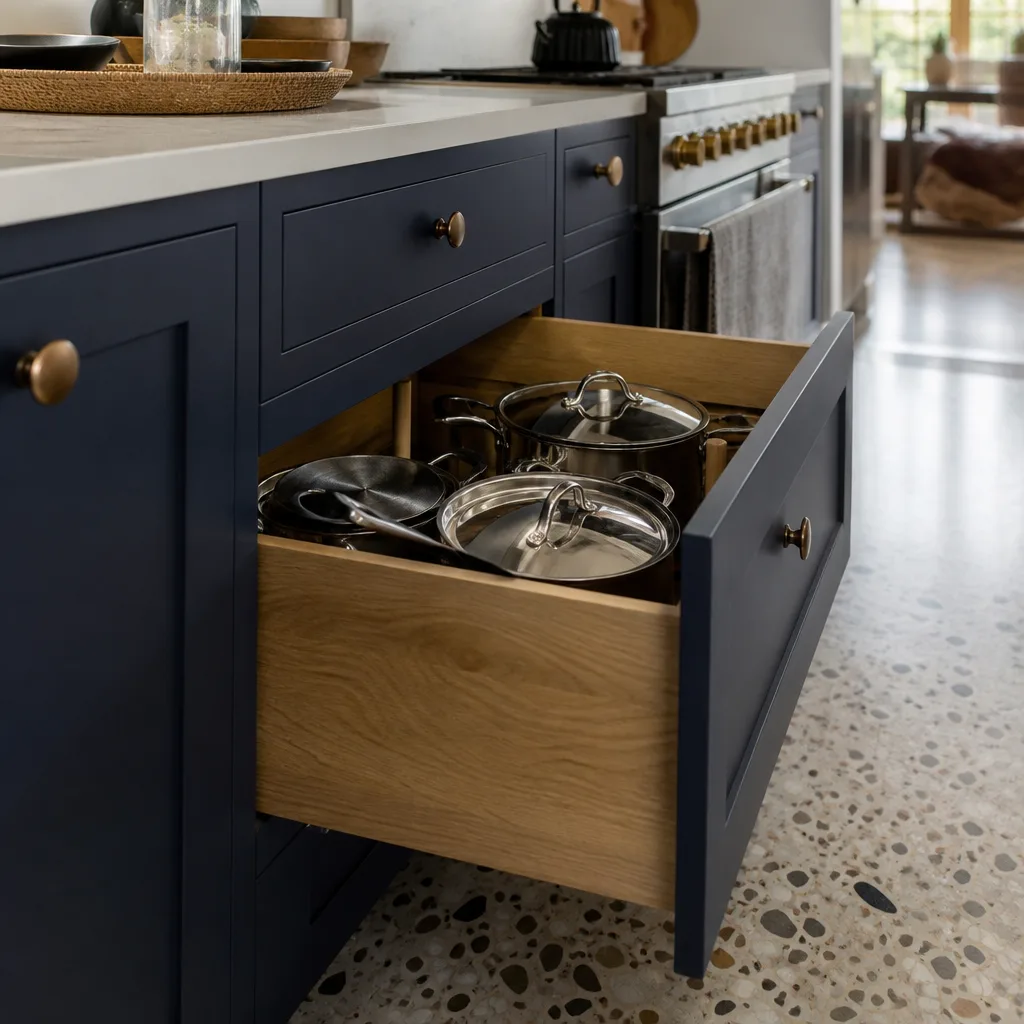
Cambria sells by design name and finish, not model numbers like an appliance. The designs live in collections – Classic, Marble, Quartzite, and Coastal – and that matters when you’re matching an existing kitchen island to a new addition countertop. Some of the most common Cambria designs we work with in Miami homes are Brittanicca, Torquay, Ironsbridge, Seagrove, Ella, and the newer Inverness patterns. Each design has a specific slab size: Cambria slabs run a jumbo 132 inches by 65.5 inches, which is larger than most imported quartz and means fewer visible seams on a long island or a full ADU kitchen run.
One compatibility gotcha: Cambria changed its finish offerings over the years. Older installations used Cambria’s Matte finish, but most current production runs a high-gloss or a subtle Satin. If your existing kitchen is a Matte Torquay from 2012 and you want the new addition to match, you’ll need to confirm whether Matte Torquay is still in production. Sometimes it is, sometimes it isn’t – and we’ll tell you straight either way before you spend a dime. We also stock Silestone, Caesarstone, and Kohler fixtures for mixed-brand projects, but when a Miami homeowner already has Cambria, it’s usually simplest to stay with Cambria.
We’re an independent Miami contractor, not a Cambria dealer or affiliate. That means we’re free to tell you when a Cambria design is genuinely the right choice and when a Silestone or Caesarstone equivalent would serve you better at a lower price.
Styles & brands we work with







Signs Your Cambria Home Additions & ADU Is Failing
- Seam separation at the slab joint. Miami’s humidity swings and a settling foundation will pull a quartz seam apart over time. You’ll see a dark line where two slabs meet, or feel a ridge when you drag a fingernail across. The fix is re-seaming with new adhesive, not just smearing silicone over the top.
- Chipped or dulled edges at high-use corners. Cambria is tough, but a dropped cast-iron pan will chip an edge. The cause is usually an overhanging edge profile that catches impacts. We can re-polish most chips in place if the edge profile allows, or replace the edge treatment entirely.
- Staining or etching that won’t wipe clean. Cambria markets itself as non-porous, and it is more stain-resistant than granite. But hard water, turmeric, or red wine left overnight can still leave a film. The underlying cause is usually years of acidic or oily residue that needs a quartz-safe deep clean and re-seal of the surface protector.
- Sagging or flexing countertop sections over new base cabinets. In an addition, this is almost never a Cambria problem. It’s the framing or cabinet install under it. Quartz doesn’t flex; if the surface is dipping, the substrate below it is moving. That’s a structural repair, not a countertop repair.
- Mismatched look between old and new surfaces. The old kitchen has a Cambria pattern that’s been out of production for six years. The new addition gets whatever the slab yard has in stock. Now you have two different whites that will never look right next to each other. This happens constantly in Miami additions, and the solution is design matching before the first cut, not after.
See the difference
 Before
 After
After Before
 After
After Before
 After
AfterReplacement Cost & What’s Included
Home additions in Miami run $53,100 to $153,400. That’s the full build – permits, foundation or slab, framing, roof tie-in, electrical, plumbing rough-in, drywall, flooring, paint, and the Cambria surfaces in the kitchen or bath. A detached ADU runs higher, $106,200 to $259,600, because you’re building a complete second structure with its own utilities, not just adding square footage to an existing envelope.
Here’s how the numbers break down in Miami:
- Cambria countertop fabrication and install in the new space: $2,360-$7,670 depending on square footage and edge detail
- Kitchen remodel within the addition: $16,520-$53,100
- Bathroom build-out inside the ADU: $10,620-$33,040
- Full home addition (bedroom suite with small bath): $53,100-$153,400
- Detached ADU with kitchenette: $106,200-$259,600
What you get from Mason Remodeling Co Miami: a written price before any work starts, a written guarantee with clear terms for 365 days from the completion date, and a crew whose name and photo you receive before they arrive. If something fails within that year, we come back at no charge. That’s the 365-Day Done Right Promise, and it’s not conditional.
DIY or Call Us?
There’s a narrow slice of Cambria maintenance you can handle yourself: wiping spills promptly, using a quartz-safe cleaner, not dragging heavy appliances across the surface. Re-polishing a small chip is doable with a quartz repair kit if you’re patient and the edge profile is simple. That’s where the safe DIY ends.
What you don’t want to do is re-seam two slabs, re-level a countertop, or – and this is the big one – start cutting Cambria panels with a circular saw in the driveway. Quartz contains crystalline silica. Cutting it dry creates dust you do not want in your lungs. Fabricators use wet saws and proper ventilation for a reason. And DIY structural work on an addition or ADU in Miami-Dade is a non-starter: unpermitted work gets flagged on an inspection, and unpermitted additions are a liability when you sell. If the slab, framing, or electrical are involved, call a licensed contractor. Call us at (850) 780-8123. We’ll tell you what’s worth repairing and what should be replaced, and the estimate is free.
FAQs
Cambria quartz carries a limited lifetime warranty against manufacturing defects, and a properly installed surface in a climate-controlled Miami home should last 20-plus years with normal care. The parts that fail first are almost never the quartz itself – it’s the seam adhesive, the edge profile, or the cabinet substrate underneath.
Hairline cracks can often be repaired with color-matched quartz adhesive and a re-polish, but a full-thickness crack that runs edge to edge usually means panel replacement. The honest answer depends on where the crack sits and whether that design is still in production. Call (850) 780-8123 and we’ll tell you straight.
A single-room addition runs 10 to 16 weeks once permits are in hand. A detached ADU runs 4 to 6 months. Miami-Dade permitting is the variable – some months we clear in three weeks, other months we wait eight. We give you the schedule in writing at the same time we give you the price.
We maintain working relationships with Cambria fabricators and slab yards in the Miami area, so we can source most current designs on short notice. For discontinued patterns, we can often locate remnant stock or match with a current design that reads identical from across a room. Call (850) 780-8123 for a free estimate, and we’ll check availability while you’re on the phone.
Written by Isaac Pruett, Owner, Mason Remodeling Co Miami at Mason Remodeling Co Miami, serving Miami and nearby areas.


