
Free written scope consultation - allowances, timeline, and change-order rules on paper before a single trade is scheduled
Belgard Home Additions & ADU: The Miami Owner’s Guide
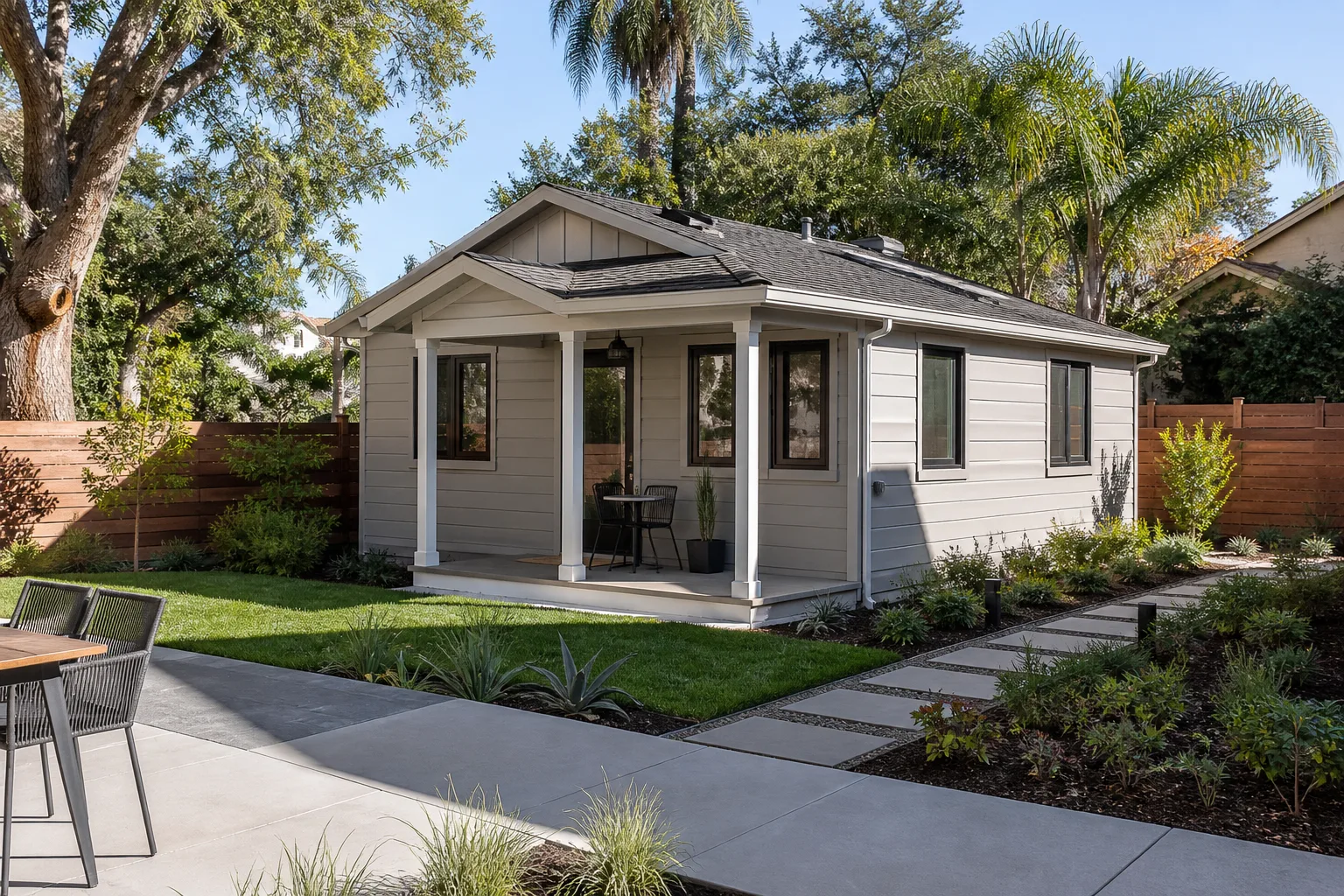
Belgard home additions and ADU construction in Miami typically runs $53,100 to $153,400 installed, depending on square footage, foundation work, and whether you’re building up or out. We install and build with Belgard hardscape materials daily across Miami, and most of our consultation calls turn into a written, line-itemed price within a week, not a month.
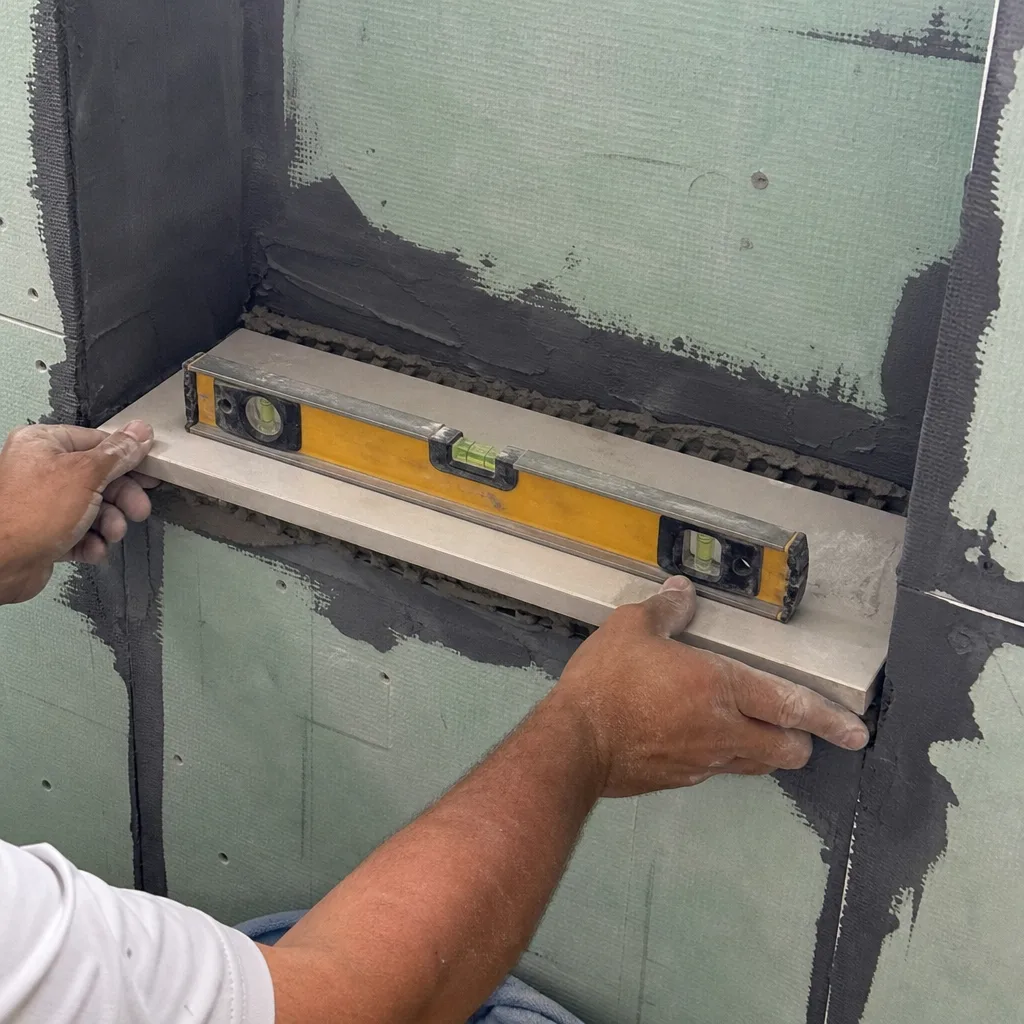
Most Miami homeowners don’t discover a “bad part” with Belgard the way they would with a broken appliance. What they find instead is a slow failure: a paver course sinking near the property line, a retaining wall block shifting after a heavy summer storm, or an outdoor kitchen surface that’s no longer draining toward the catch basin. Belgard products fail in specific ways under South Florida conditions, and those failures usually sit at the intersection of the product and what’s underneath it.
Key takeaways:
- We install and build Belgard home additions and ADUs, not just repair them.
- Installed pricing in Miami: $53,100 to $153,400 for home additions; $106,200 to $259,600 for full ADU construction.
- Written price before any work starts. Always. No change orders without your signature.
- Isaac Pruett has been building in South Florida for well over a decade, including projects throughout Coconut Grove.
One note before we go further: Mason Remodeling Co Miami is an independent general contractor. We’re not a Belgard dealer and not affiliated with their corporate arm. We recommend Belgard products because they hold up in Miami’s heat, humidity, and hurricane season better than most of what’s on the market. That’s a hard-won opinion after years of tearing out products that didn’t.
Which Belgard Models This Applies To
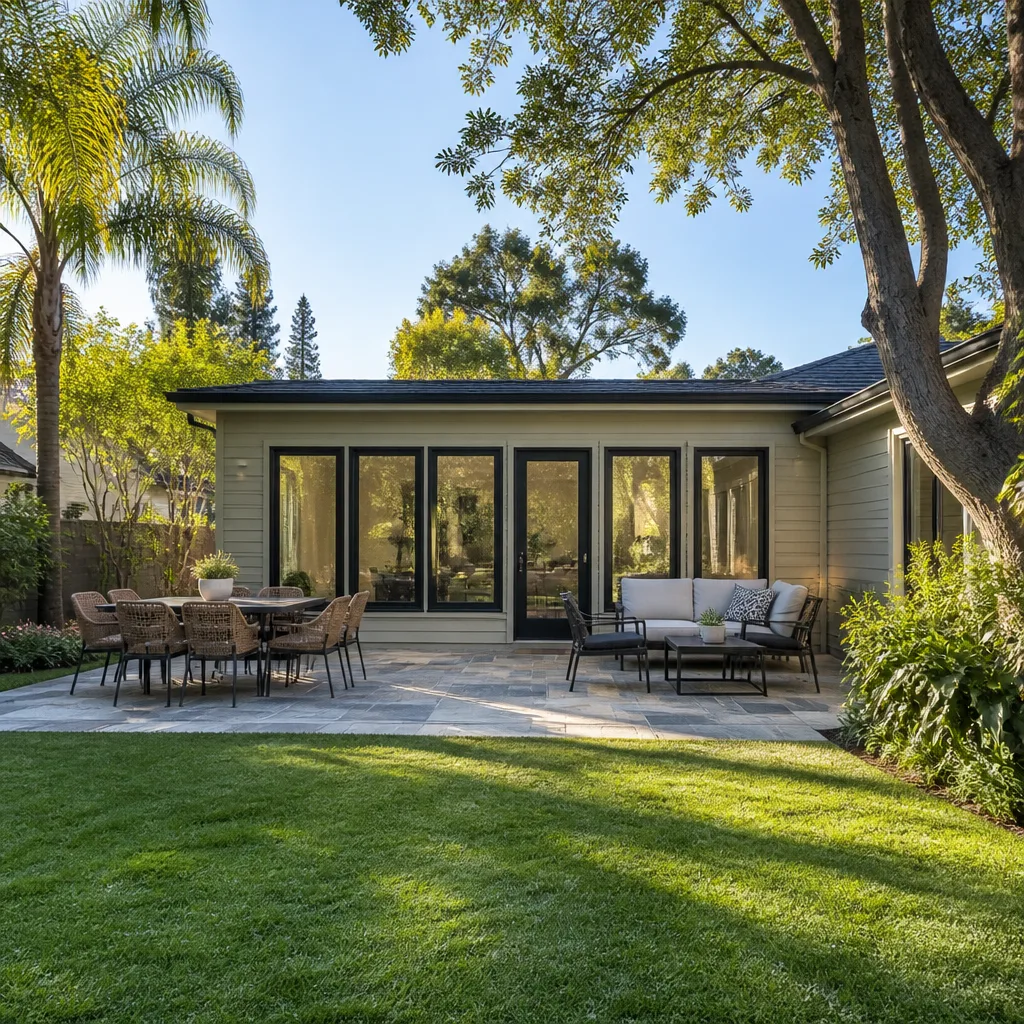
Belgard’s catalog for home additions and ADUs breaks into a few product families that Miami builders actually use. The big three we specify most often are Belgard Pavers (Holland Stone, Mega-Arbel, and the Dublin Cobble series for driveways and walkways), Belgard Wall Systems (the Westbrook and Diamond Pro lines for retaining walls and seat walls), and Belgard Porcelain Pavers (the Melville and Parklane series for rooftop patios and pool decks).
Here’s the compatibility gotcha most people miss: Belgard’s wall blocks are not all cut to the same depth. A Westbrook 6-inch block does not stack cleanly on a Diamond Pro 6-inch block even when the face dimensions match. If you’re matching an existing wall during a room addition or ADU build, we need to measure the actual block depth, not just the face. We’ve seen homeowners order a pallet of blocks based on a photo of the wall, and the pallet sat unused because the lip didn’t seat.
On the paver side, Belgard’s newer products use a different mold than their replacements. The Mega-Arbel 2.0 has slightly different chamfer geometry than the original Mega-Arbel. That matters when you’re extending an existing patio for a new addition. The new pavers won’t sit flush against the old ones.
For hardscape-anchored home additions and ADUs, the decision between OEM Belgard and aftermarket equivalents is simpler than for mechanical parts: stick with OEM Belgard. Aftermarket pavers and wall blocks don’t have Belgard’s published freeze-thaw and compressive strength specs, and in Miami, you need the drainage and weight-rating documentation for permitting. A code reviewer in Miami-Dade wants to see a manufacturer spec sheet, not a generic “it’s concrete” claim.
We stock the common pavers and wall blocks on our trucks. For full pallet orders on larger additions, we pull from local Miami distribution, which keeps the delivery window tight.
Styles & brands we work with







Signs Your Belgard Home Additions & ADU Is Failing
- Pulling pavers near a downspout or foundation edge. This usually means the base layer under the pavers is washing out through Miami’s sandy soil. The paver isn’t failing; the substrate underneath it is. We fix this by pulling the area, re-compacting with the right aggregate, and resetting the course. If you ignore it, the paver will crack within a South Florida rainy season.
- A retaining wall leaning or bowing outward. Nearly every time we see this in Miami, the original install skipped the geogrid reinforcement or the drainage aggregate behind the wall. The wall blocks themselves are fine. The installation wasn’t. Belgard’s tall-wall specs require engineered reinforcement for anything over 3 feet in Miami; anything under-installed will show a bow line within two to three summers.
- An outdoor kitchen counter or fire pit surround sitting uneven. Miami’s soil shifts between dry season and wet season. A proper install accounts for that with a compacted base and a buried footer. When you see a countertop slab with a 1/4-inch gap on one side and no gap on the other, the block structure underneath has moved. That’s a foundation problem, not a slab problem.
- Water pooling against the house after storms. Belgard paver patios and walkways should pitch away from the foundation. If you’re seeing standing water against a slab after a typical Miami afternoon storm, the pitch was done wrong or the base has settled. Left alone, that standing water becomes a slab crack and then a moisture problem inside the addition you just paid to build.
- Efflorescence returning in the same spots on new wall blocks. White, chalky build-up on fresh Belgard blocks usually means water is moving through the wall from behind and carrying minerals to the surface. If you clean it and it comes back in the same spot within a month, the wall needs drain tile or weep holes. Cleaning it again won’t fix anything.
See the difference
 Before
 After
After Before
 After
After Before
 After
AfterReplacement Cost & What’s Included
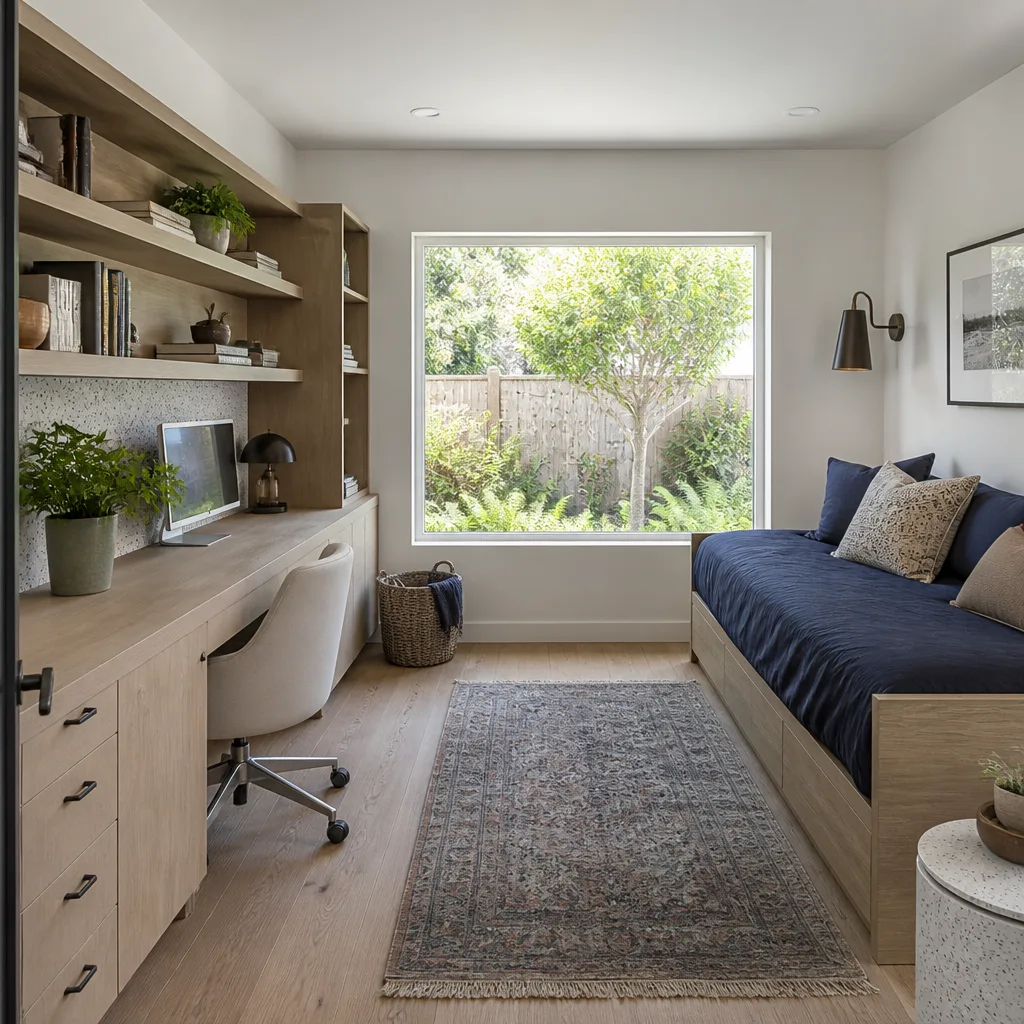
For a home addition built on Belgard hardscape, Miami pricing lands between $53,100 and $153,400 installed. Here’s what that range actually breaks into:
- Foundation and site prep: $8,260 to $21,240, depending on whether we’re building on an existing slab, pouring new, or raising the site for drainage.
- Hardscape and site work (pavers, walls, outdoor kitchen anchoring): $4,130 to $12,980 for a full paver patio or driveway; more if we’re doing a retaining wall taller than 3 feet with geogrid.
- The structure itself: $35,400 to $94,400 for the addition framing, roofing, windows, doors, electrical, and interior finishes.
- Full ADU construction: $106,200 to $259,600 when it’s a detached unit with its own kitchen, bath, and utility connections.
Every price we quote includes materials, labor, haul-away, permitting, and a written line-item breakdown before you sign anything. If the job needs a change order, you approve the number before we proceed. There is no “we discovered a surprise” invoice at the end.
Our work is covered by the 365-Day Done Right Promise. If something isn’t right within a year of completion, we make it right at no cost to you. That’s 365 days from the completion date, stated in writing, with what’s covered and what’s excluded spelled out.
DIY or Call Us?
Here’s the honest split. You can safely check whether a paver is loose by lifting one and looking at the base underneath: if it’s sandy and dry, that’s a drainage issue worth a call. You can snap photos of a leaning wall and track whether the gap is growing week to week by measuring it with a tape measure. That’s useful information for us to have before we visit.
But resetting pavers, rebuilding retaining walls taller than 3 feet, or cutting Belgard blocks to fit around a new addition’s foundation is not a weekend project. A 24-pound wall block in Miami’s July heat is a fast way to a back injury, and a wall that’s been undermined and rebuilt without geogrid is a bigger liability than the one you started with. If the part is sitting under a structure people walk on or live in, call us. We’ll send a written price and tell you exactly what’s needed before anyone picks up a shovel.
Call (850) 780-8123 and we’ll schedule a free estimate. Isaac Pruett or a named, background-checked crew lead will come out, measure, and put the number in writing.
FAQs
A properly installed Belgard paver driveway or patio in Miami lasts 25 to 40 years. The pavers themselves are rated for well beyond that. What fails first in South Florida is the base underneath: Miami’s sandy soil washes out, the ground settles, and the pavers shift. That’s an installation issue, not a product issue, and it’s why we spend more time on base prep than any other phase. Call (850) 780-8123 if you think your base is failing.
Yes, in most cases. If the blocks are intact and the wall is under 3 feet, we can pull the affected section, rebuild the base and drainage, and reset everything. If the wall is taller and has been moving, a partial rebuild may not meet Miami code without full geogrid reinforcement, and a replacement is often cheaper than a piecemeal fix. We’ll tell you which one you need when we see it.
A garage conversion or single-room addition in Miami typically runs 8 to 14 weeks. A full ADU with its own kitchen and bath is usually 4 to 6 months depending on permitting and utility connections. We quote a schedule at the start and stick to it. Isaac Pruett’s habit is to give a straight number and a straight date, and mean both.
We stock common Belgard pavers and wall blocks on our trucks for repair work. Large addition or ADU projects pull full pallet orders from Miami distribution, which keeps delivery within a few days. We also work with KraftMaid, Cambria, and Silestone for the interior finishes on additions and ADUs, so you’re not chasing four suppliers on one build.
Home additions run $53,100 to $153,400 installed; full ADU construction runs $106,200 to $259,600. The wider range depends on square footage, foundation work, utility runs, and interior finish level. Call (850) 780-8123 for an exact quote in writing. Estimates are free, and the price you’re quoted is the price you’ll pay.
Written by Isaac Pruett, Owner, Mason Remodeling Co Miami at Mason Remodeling Co Miami, serving Miami and nearby areas.


