


Free written scope consultation - allowances, timeline, and change-order rules on paper before a single trade is scheduled
Mighty Buildings Home Additions & ADU: The Miami Owner’s Guide
A Mighty Buildings home addition or ADU in Miami typically runs $53,100 to $153,400 installed, depending on square footage, site prep, foundation work, and finish level. We match Mighty Buildings panel systems to your existing structure, handle the permitting, and manage the entire build from slab to final inspection. Most owners reach out after realizing their original panel installation was never properly flashed for South Florida humidity, or after a failed DIY expansion left gaps in the wall assembly that now leak during afternoon storms.
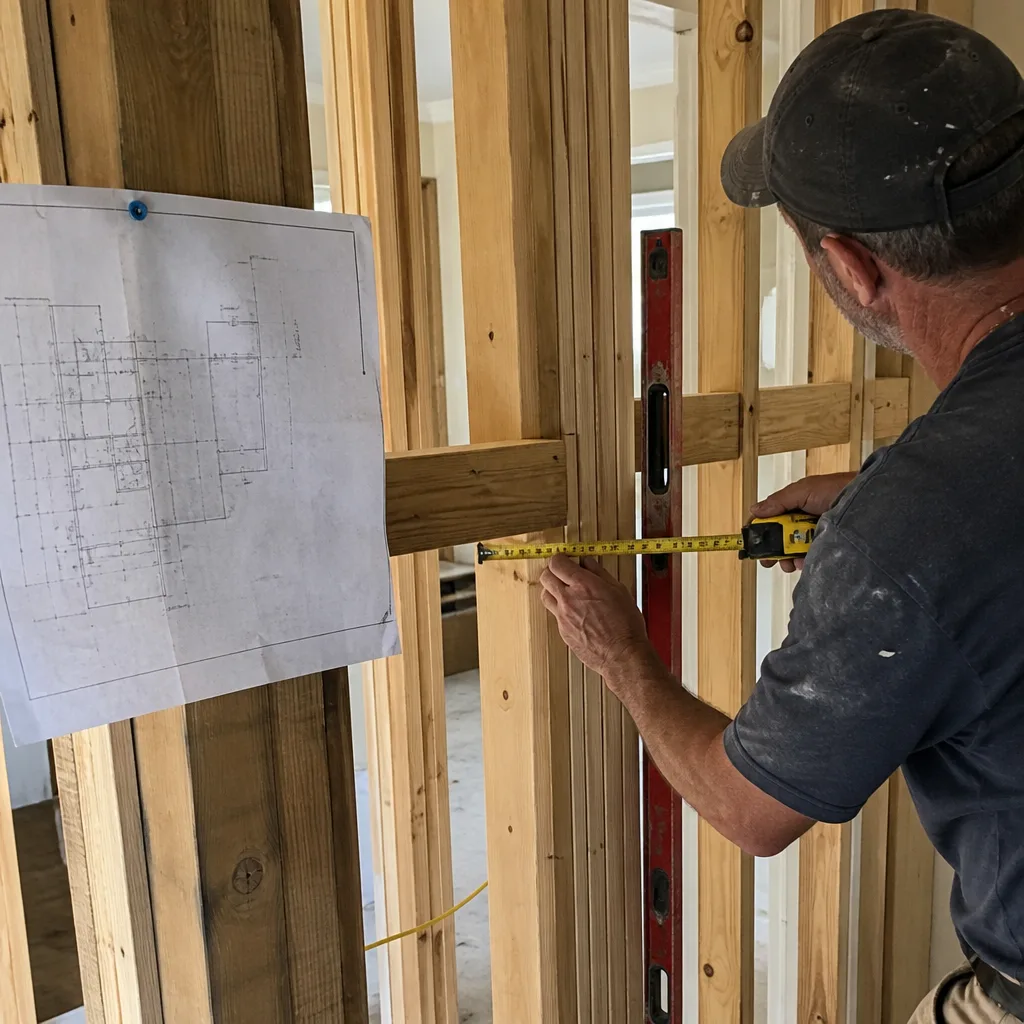
You bought a Mighty Buildings product because the precision-manufactured panels promised speed and efficiency. Here’s the reality we see in Miami neighborhoods from Coconut Grove to Kendall: the panel system is only as good as the installation and the follow-on work connecting it to your main house. That’s where Mason Remodeling Co Miami comes in. We’re an independent contractor, not affiliated with Mighty Buildings, but we’ve built and repaired enough of these systems to know exactly what holds up and what doesn’t in coastal Florida weather.
Which Mighty Buildings Models This Applies To
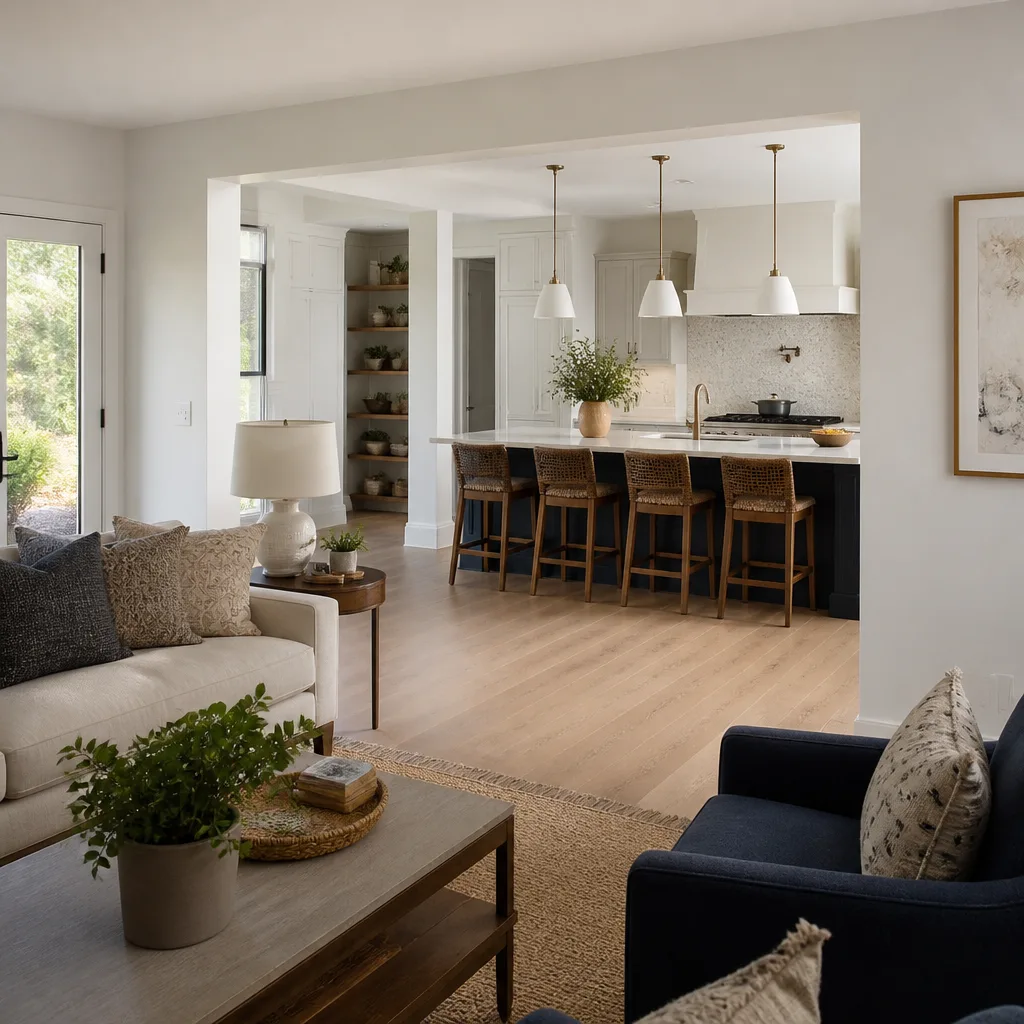
Mighty Buildings builds panelized wall, floor, and roof systems using a proprietary light-stone composite material. The panels arrive pre-cut with window and door openings, and they’re assembled on site. If you have a Mighty Buildings ADU, garage conversion, or home addition in Miami, you likely have one of their standard wall panel thicknesses: 4-inch interior partition panels or 6-inch exterior structural panels. The exterior panels have a molded texture that accepts their recommended coating system.
Here’s the compatibility gotcha most Miami owners don’t know: Mighty Buildings exterior panels require a specific sealant joint width between panels, usually 3/8 inch to 1/2 inch, and the flashing system is not interchangeable with standard residential wall flashing. If a previous contractor used off-the-shelf flashing tape or a generic polyurethane sealant, the joint will fail within two to three Miami rainy seasons. We match the panel series by checking the embossed lot number on the panel edge, usually located near the bottom course of the wall. When it’s visible, we order OEM-compatible materials. When it’s not, we measure panel thickness and drill a small test hole to confirm the composite density before specifying any replacement part.
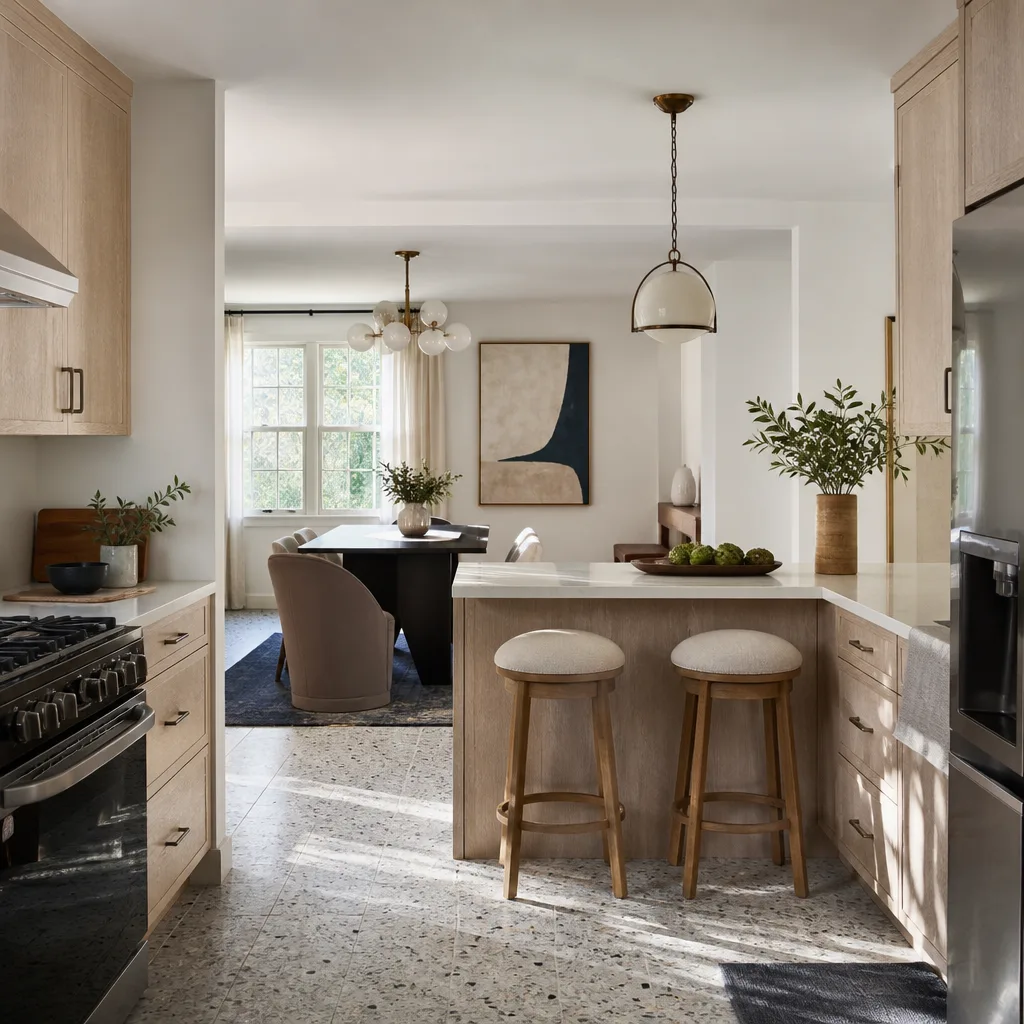
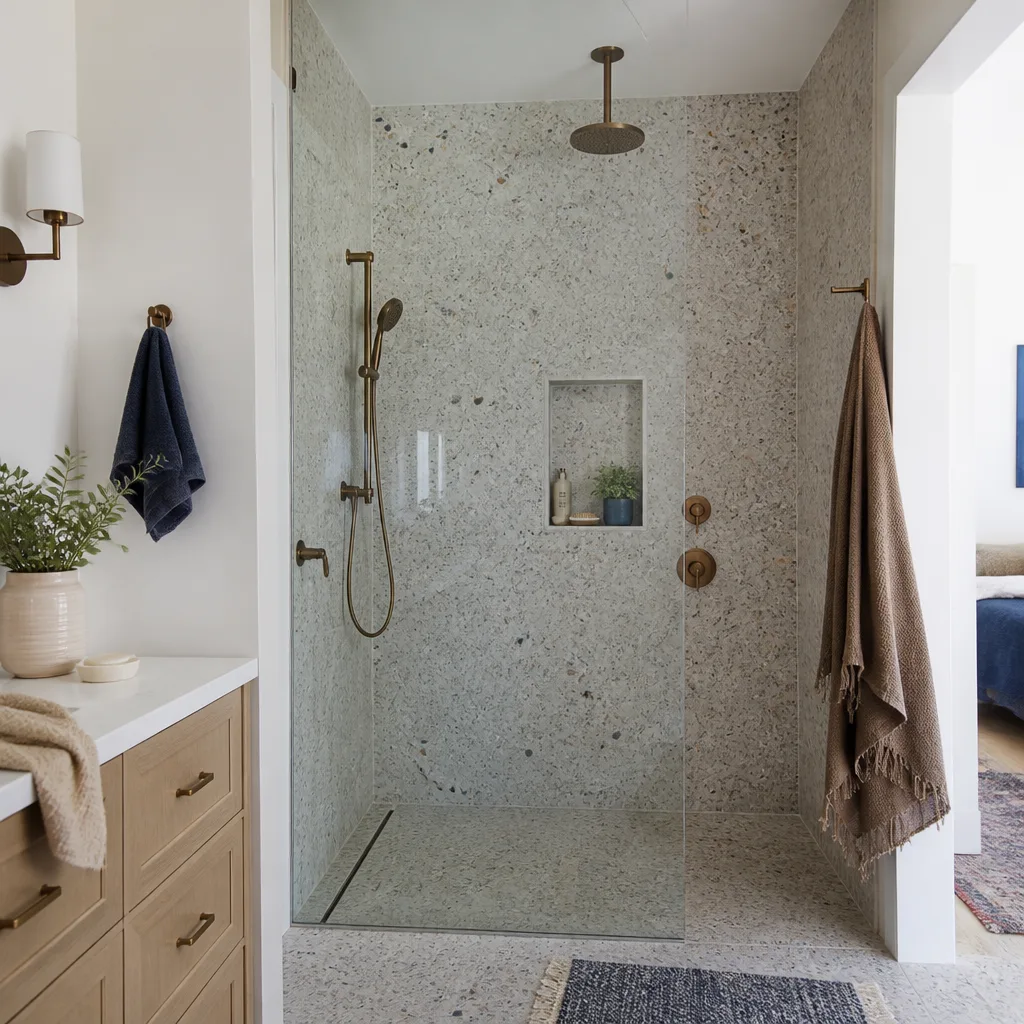
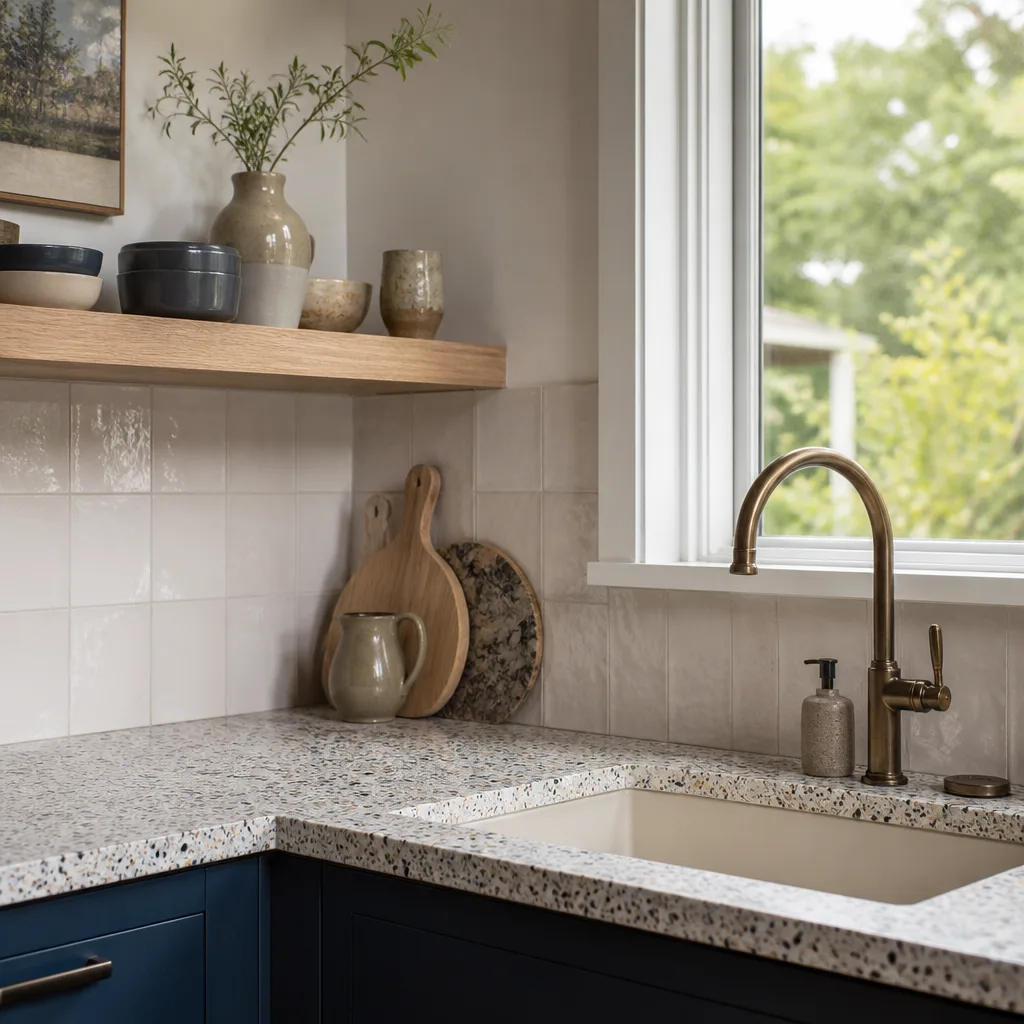
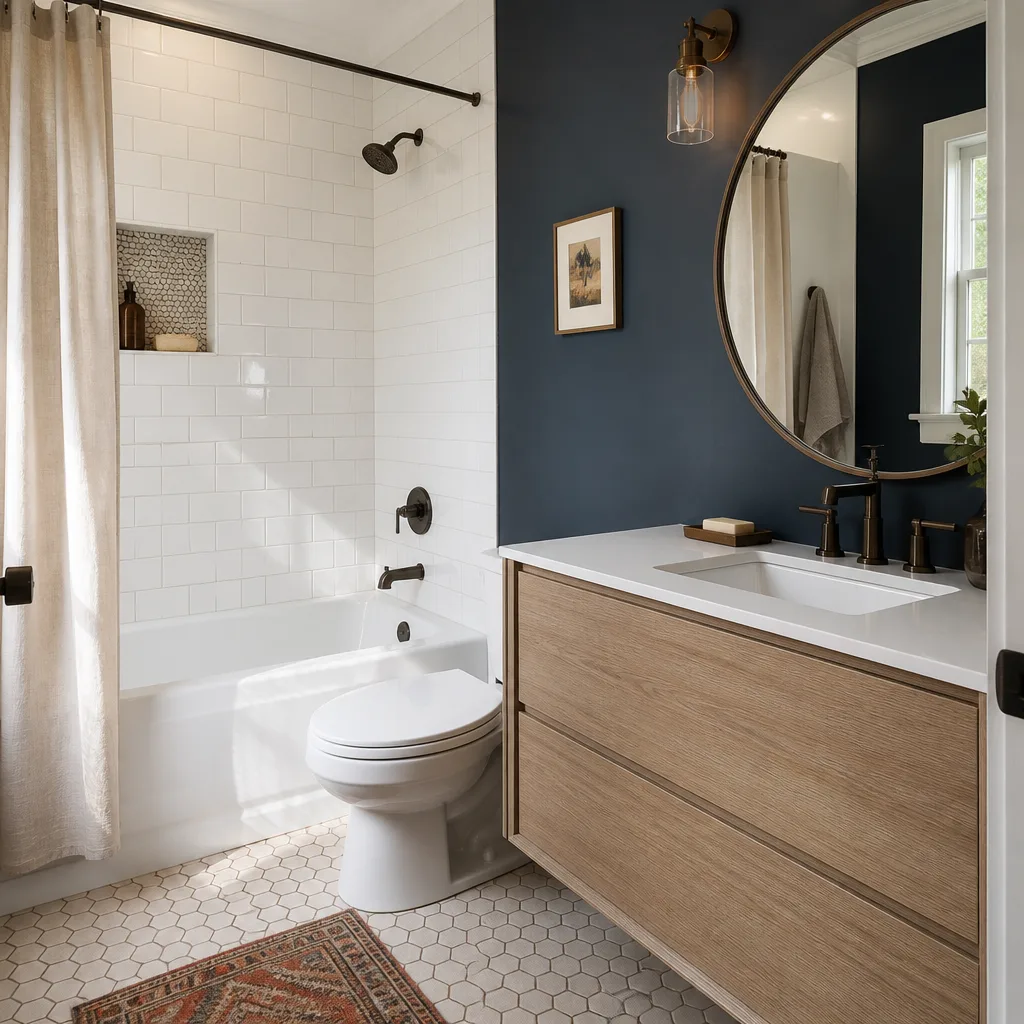
For finish work inside the addition, we also work with KraftMaid, Cambria, and Silestone products where the design calls for them.
Styles & brands we work with







Signs Your Mighty Buildings Home Additions & ADU Is Failing
- Water staining at the wall-to-roof junction. The panel-to-roof flashing detail is the first failure point in Miami. Driving rain from summer squalls finds any gap, and because the panel surface is dense, water travels inward before it shows as a stain on the drywall. We remove the roof edge, inspect the flashing, and reseal with the correct joint width.
- Cracks at panel corners or around window openings. In Miami’s clay-heavy soils, a slab that shifts even an inch will transfer stress directly into the panelized wall system. Composite panels don’t flex like wood framing, so the crack appears at the panel joint, not in the field of the wall. Left alone, the crack widens and the panel loses structural continuity with its neighbor.
- Doors and windows that suddenly bind or won’t latch. Your Mighty Buildings module is settling. Panelized construction carries load differently than stick framing, and if the foundation was poured without accounting for Miami’s soil movement, you’ll feel it at the door frame first. We check the foundation and re-shim the panel connections before the problem spreads.
- Drywall seams that crack repeatedly in the same spot. This tells us the panel joint behind the drywall is moving. Re-taping and mudding hides it for a month. The actual fix is opening the wall, checking the panel-to-panel connection hardware, and re-tensioning or replacing the fasteners.
- A persistent musty smell inside the addition. Composite panels don’t rot, but the sill plate they sit on can. If water got behind the panel base flashing, the wood underneath stays wet, and Miami’s humidity does the rest. We lift the panel, replace the sill, and seal the base detail correctly.
See the difference
 Before
 After
After Before
 After
After Before
 After
AfterReplacement Cost & What’s Included
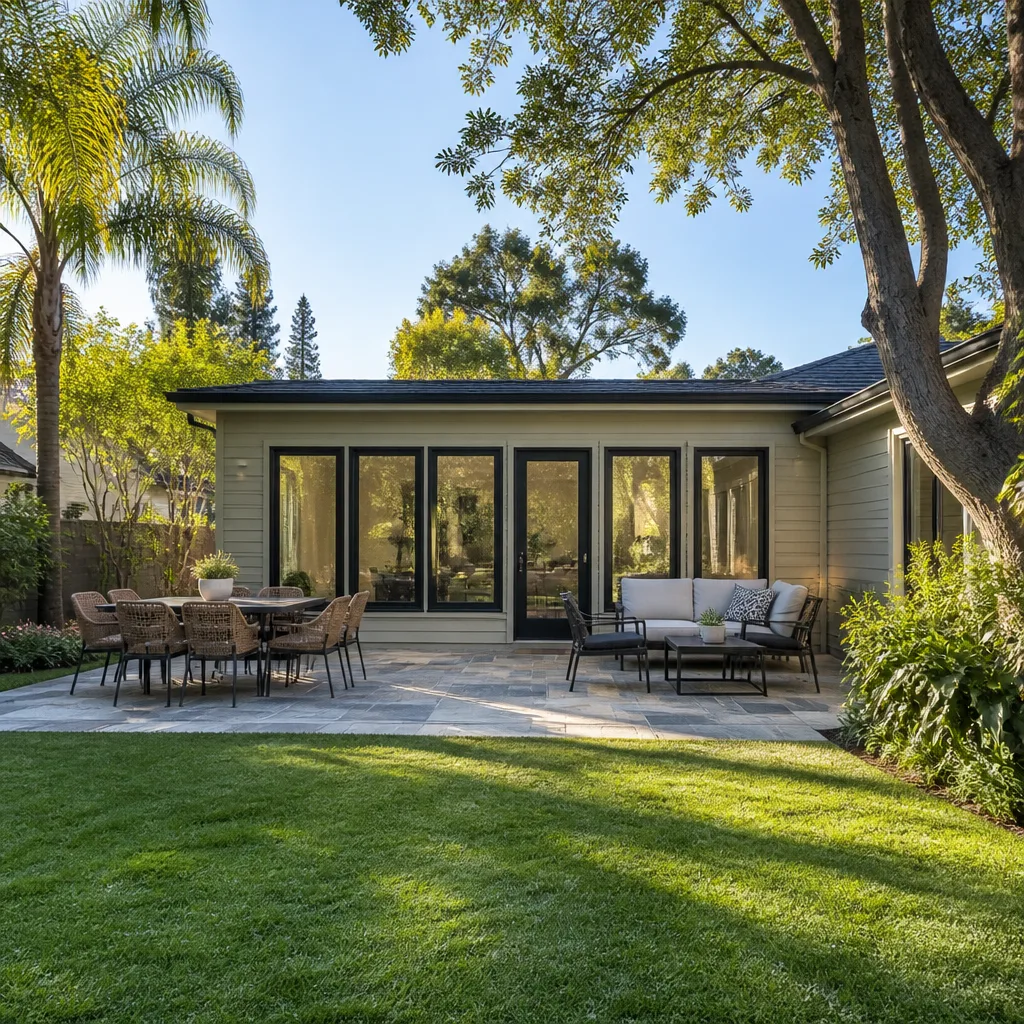
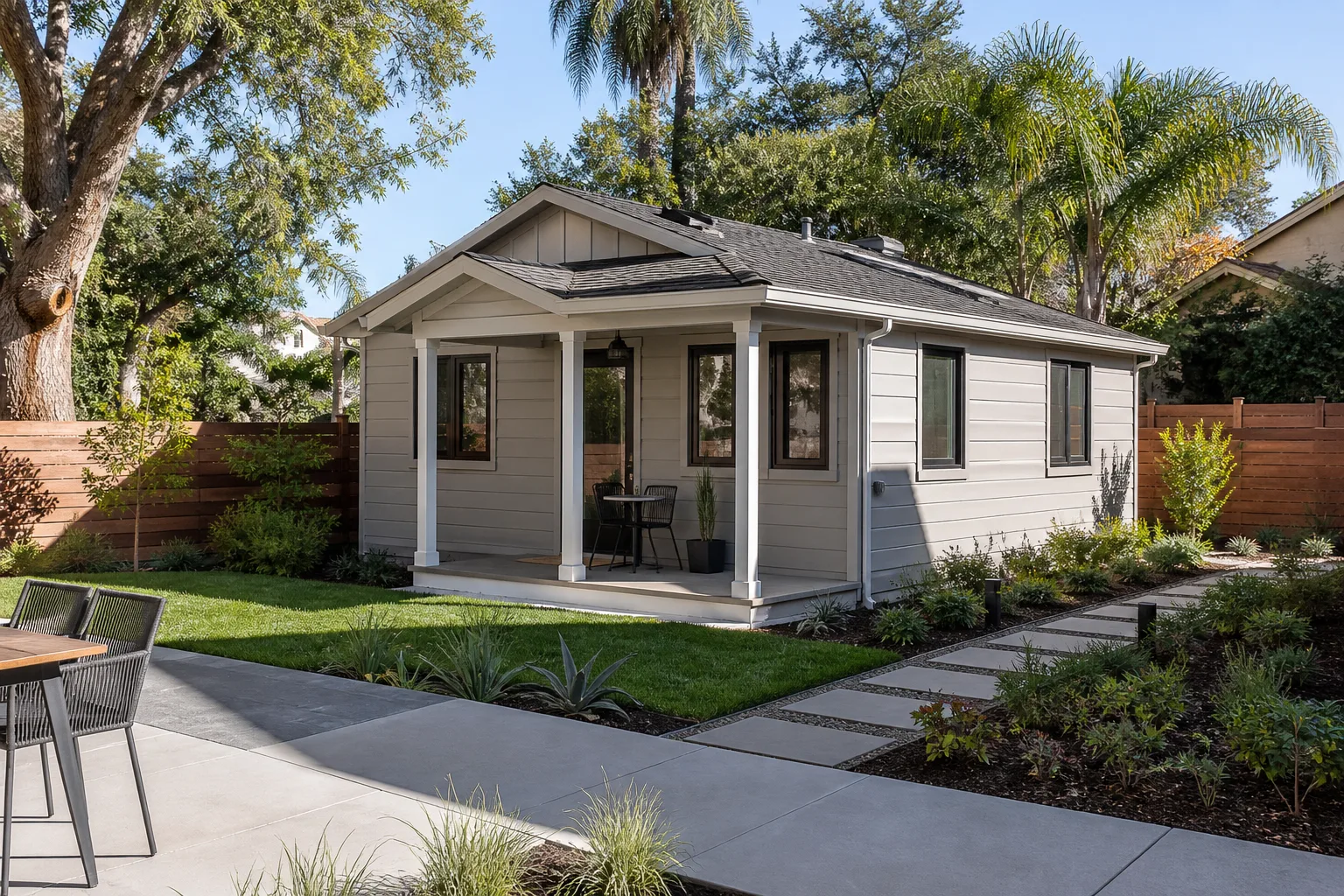
For a Mighty Buildings home addition or ADU in Miami, plan on $53,100 to $153,400. The range is wide because every project is different. A small 300-square-foot addition attached to a single-story home with simple roof tie-in and no foundation repair will land at the lower end. A 750-square-foot detached ADU with a new concrete pad, full electrical and plumbing runs, hurricane-rated windows, and interior finish will push toward $153,400.
What’s included in our written price: permits and inspections, demolition of any failed panel work, structural tie-in to the existing home, waterproofing and flashing specific to Mighty Buildings panel joints, interior drywall and finish, electrical and plumbing rough-in and trim, and a written guarantee on every project. We deliver a written price before any work starts. Not an estimate range, not a verbal number that changes later. A line-item price in writing. If we find hidden damage during the build, we stop, show you photos, and give you a written change order before we spend another dollar.
DIY or Call Us?
For a Mighty Buildings panel system, the honest answer is: you should not be doing structural panel repair yourself. These panels carry roof load, wall load, and wind load. Cutting into one wrong panel or removing a fastener without understanding the load path could compromise the entire addition. Miami building code requires permits for structural work, and inspectors will flag unpermitted panel modifications when you sell the home. What you can do safely: check your panel joints visually after heavy rain, look for discoloration at the roofline, and test your doors and windows monthly during the summer months. If you see movement or water, call us at (850) 780-8123. Isaac Pruett has been working Miami neighborhoods for well over a decade, and he’ll tell you what you need to hear, not what you want to hear.
FAQs
A properly installed Mighty Buildings panel system should last 40 to 50 years in Miami’s climate, but the waterproofing joints and sealants need inspection and replacement every 5 to 7 years. The panels themselves are durable. It’s the connections and flashing that fail first in our humidity and storm cycles. Call (850) 780-8123 and we’ll do a full joint and sealant inspection.
Most failing Mighty Buildings additions in Miami can be repaired without a full teardown. We open the affected panel joints, replace failed flashing and sealants, re-tension or replace connection hardware, and refinish the interior. Full panel replacement is only necessary when the panel itself is cracked or the load path has been compromised. We’ll tell you which one you have before we quote anything.
A typical repair job runs two to five working days. A full ADU build from foundation to finish runs eight to fourteen weeks depending on permitting and inspection schedules in Miami-Dade. We give you a schedule in writing with the price, and Isaac holds the crew to it.
Yes. We keep the most common Mighty Buildings-compatible sealants, joint flashing profiles, and panel connection fasteners stocked on our Miami service trucks. If we need panel-specific materials, we order them direct and they arrive within three to five business days. You’ll know the exact lead time before we start the job. Call (850) 780-8123 for a free estimate.
Written by Isaac Pruett, Owner, Mason Remodeling Co Miami at Mason Remodeling Co Miami, serving Miami and nearby areas.


