

Free written scope consultation - allowances, timeline, and change-order rules on paper before a single trade is scheduled
Atlas Home Additions & ADU: The Miami Owner’s Guide
If your Atlas home addition or ADU has a failing structural component, a leaking tie-in point, or a roof system that’s giving out, we stock and install the Atlas-compatible parts Miami homeowners need most. An Atlas home additions and ADU component replacement in Miami typically runs $53,100 to $153,400 installed, depending on scope, access, and how much of the original framing is still sound. Most owners discover the problem the hard way: a water stain creeping across the ceiling near the connection point, a door that suddenly won’t latch, or visible cracking where the addition meets the original structure.
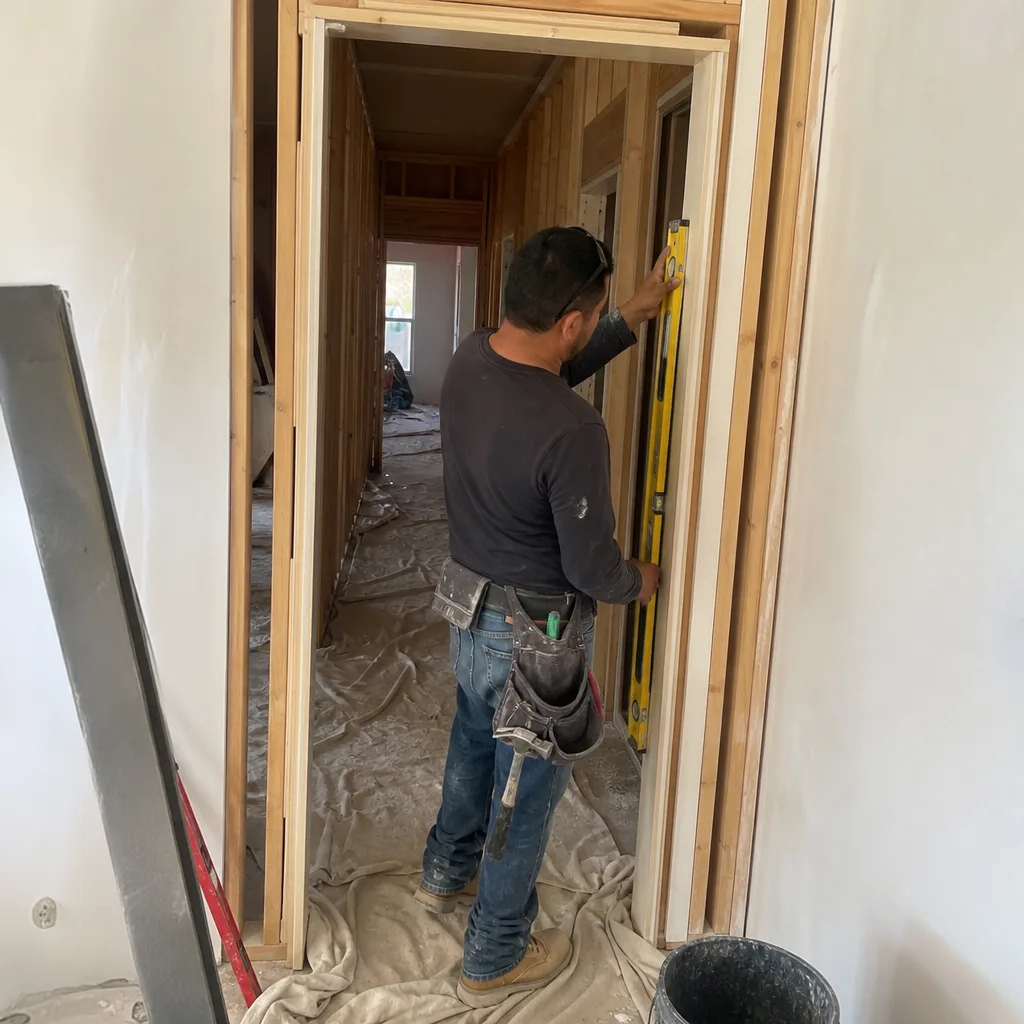
We’re an independent Miami contractor, not affiliated with Atlas. But we’ve torn into enough of their builds over the years to know exactly what fails first, what’s worth saving, and what needs to come out before it causes real damage.
Which Atlas Models This Applies To
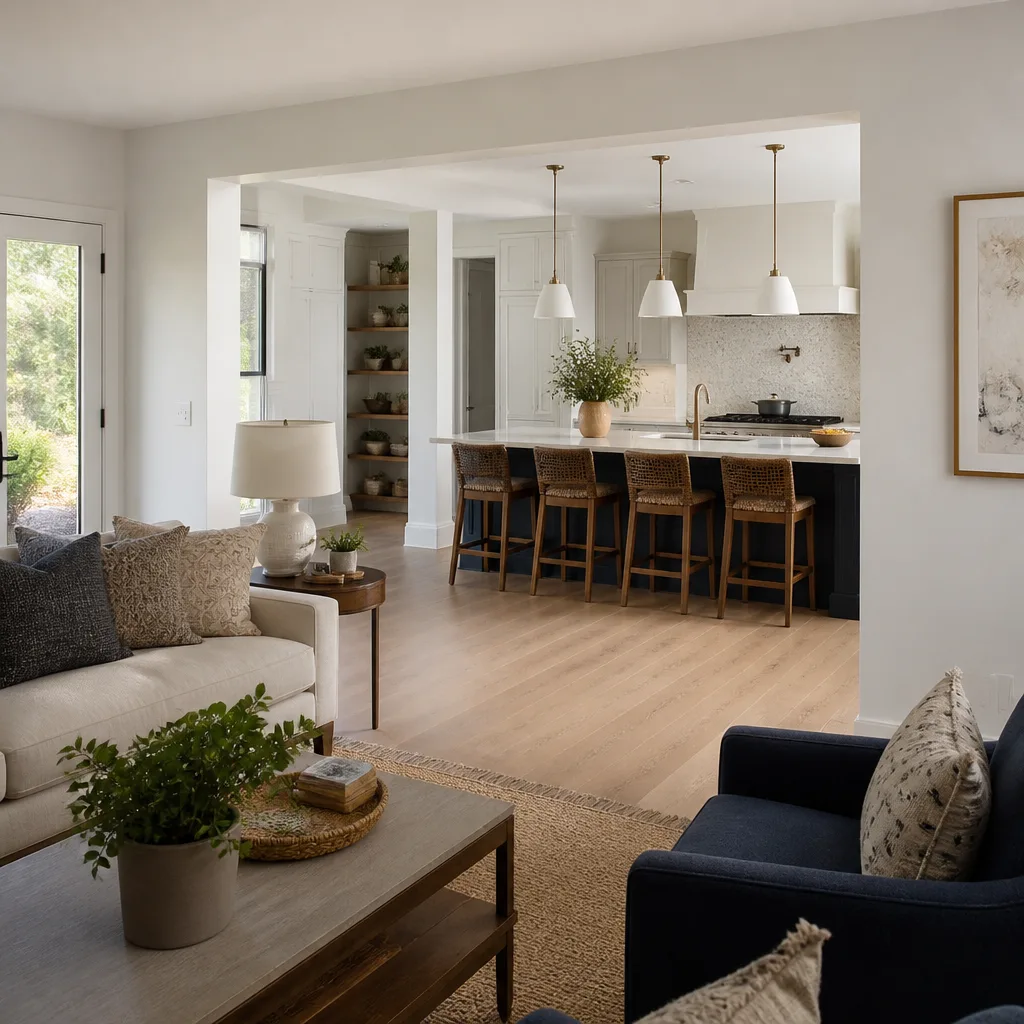
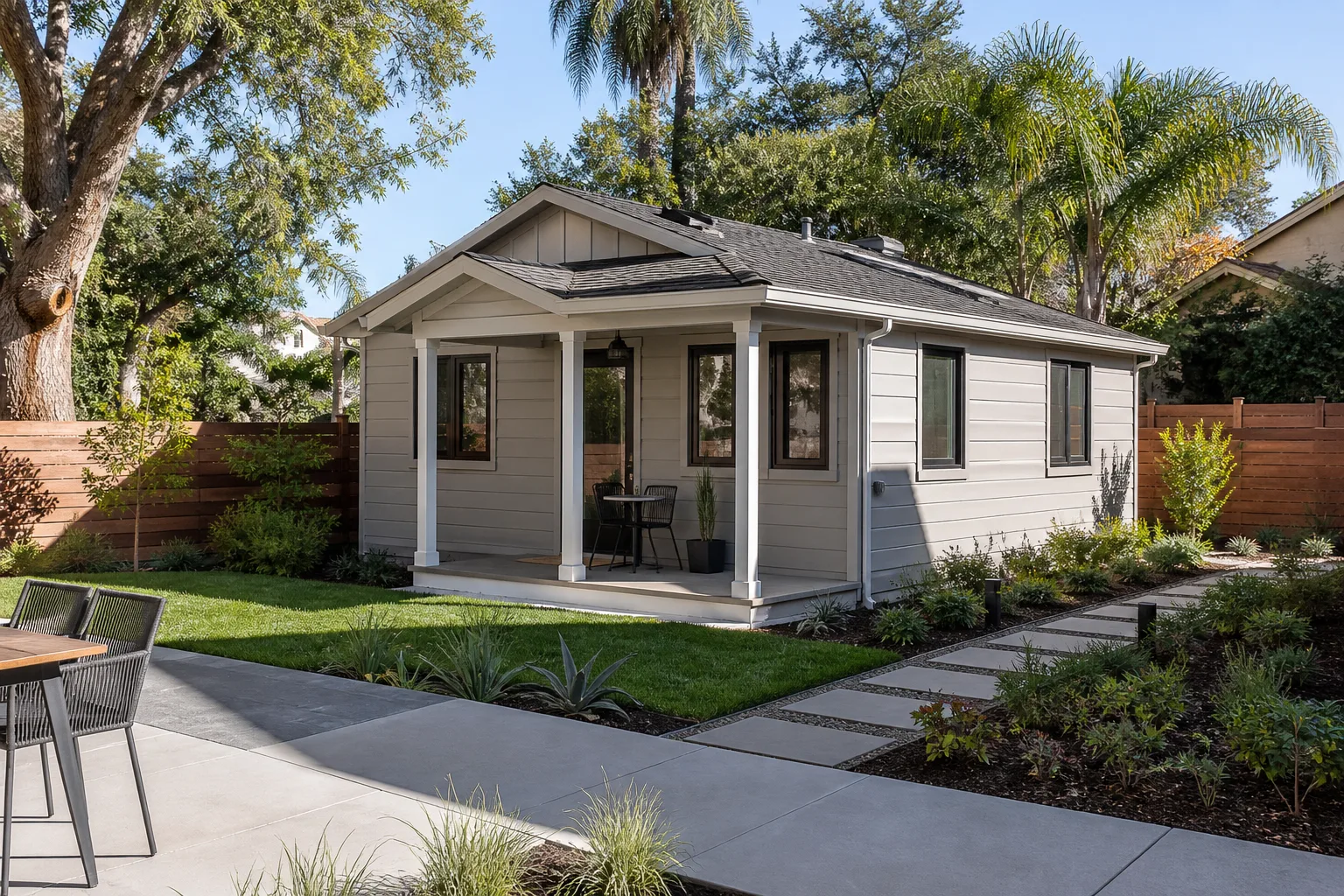
Atlas home additions and ADUs in Miami fall into a few broad categories: stick-framed additions tied to the original roofline, detached ADUs on slab foundations, and garage conversions with Atlas-specified framing packages. The parts that fail are usually not the Atlas-branded components themselves, but the integration points: flashing, ledger connections, door and window rough openings, and the roof-to-wall transitions where Miami’s wind-driven rain finds every gap.
Here’s the compatibility gotcha most owners miss: Atlas additions built before roughly 2016 used standard dimensional lumber framing with 16-inch on-center spacing. Newer builds in Miami switched to engineered lumber and 24-inch spacing in non-load-bearing walls. That matters when you’re matching a replacement header, a floor joist, or a shear panel. Measure the actual spacing, don’t assume. We carry both dimensional and engineered stock on our trucks because we’ve been called out too many times to a job where the wrong lumber was delivered.
For OEM versus aftermarket: Atlas doesn’t manufacture most of the lumber, fasteners, or flashing used in their additions. They specify standard grades. So for structural components, quality aftermarket materials that meet or exceed Miami-Dade building code are functionally identical to what came out. The exception is any Atlas-specific hardware like custom brackets or connector plates, where we recommend staying with the original specification. If it’s stamped Atlas, we match it. If it’s a 2×10, a quality pressure-treated replacement is the right call.
Styles & brands we work with







Signs Your Atlas Home Additions & ADU Is Failing
- Ceiling water stains near the tie-in point. The flashing where the addition roof meets the original house is the number one failure we see in Miami. Decades of sun, salt air, and hurricane-season wind work the metal loose until water finds the seam.
- Doors that stick or won’t latch during certain months. Miami’s wet-dry seasonal cycle makes clay-heavy soils expand and contract. If your addition door only binds in summer, the slab or foundation is moving. If it’s year-round, you likely have a settling issue at the connection point.
- Visible cracking where the addition meets the original structure. Some cracking is normal settling. A gap wider than a quarter inch, or one that grows over a few months, means the load path isn’t transferring the way the original plan intended.
- Soft spots in the floor or a musty odor you can’t locate. A leaking tie-in or a failed vapor barrier under the slab lets moisture into places it shouldn’t be. By the time you smell it, subfloor rot is usually already underway.
- Rust-stained drywall along the baseboards or corners. That’s often a plumbing line inside the addition walls that was never properly insulated or secured. Atlas builds are generally solid, but any addition that’s seen a few Miami summers will test every connection.
See the difference
 Before
 After
After Before
 After
After Before
 After
AfterReplacement Cost & What’s Included
For Miami and surrounding neighborhoods, you’re looking at $53,100 to $153,400 for a full home addition or ADU structural replacement, depending on whether it’s a partial reframe, a complete tear-out and rebuild, or something in between like a roof replacement over the addition. A garage conversion falls in the $35,400 to $94,400 range. These numbers include materials, labor, permits, and dump fees. What drives the spread: access to the site, whether the existing foundation can be reused, how much of the original framing is salvageable, and whether Miami-Dade code requires upgrades to the tie-down system for wind load.
We quote this work as a written, line-item price before any tool is unpacked. That’s how we’ve always done it, and it means the number we give you won’t grow once we open up the wall and find what’s actually going on behind it. Every component replacement is covered by our 365-Day Done Right Promise: if it’s not right within a year, we come back and make it right at no charge. Written guarantee, stated terms, no fine print games.
DIY or Call Us?
You can safely inspect the accessible parts: check for visible gaps at the tie-in point, look for water stains, test every door and window for binding, and note any new cracking with a pencil mark and a date. That information helps us quote faster. What you should not do is attempt structural repairs yourself. Reframing a load-bearing wall, re-flashing a roofline, and lifting a settled slab are jobs where the margin for error is zero and the consequence of a mistake is a collapsed structure. If you’re standing on a ladder wondering whether that header should be two 2x10s or a glulam, that’s your cue to stop.
Tell me what you need done. I’ll tell you what it costs and when it’s finished, and I’ll mean both. Call (850) 780-8123 and we’ll schedule a time to look at it. The estimate is free.
FAQs
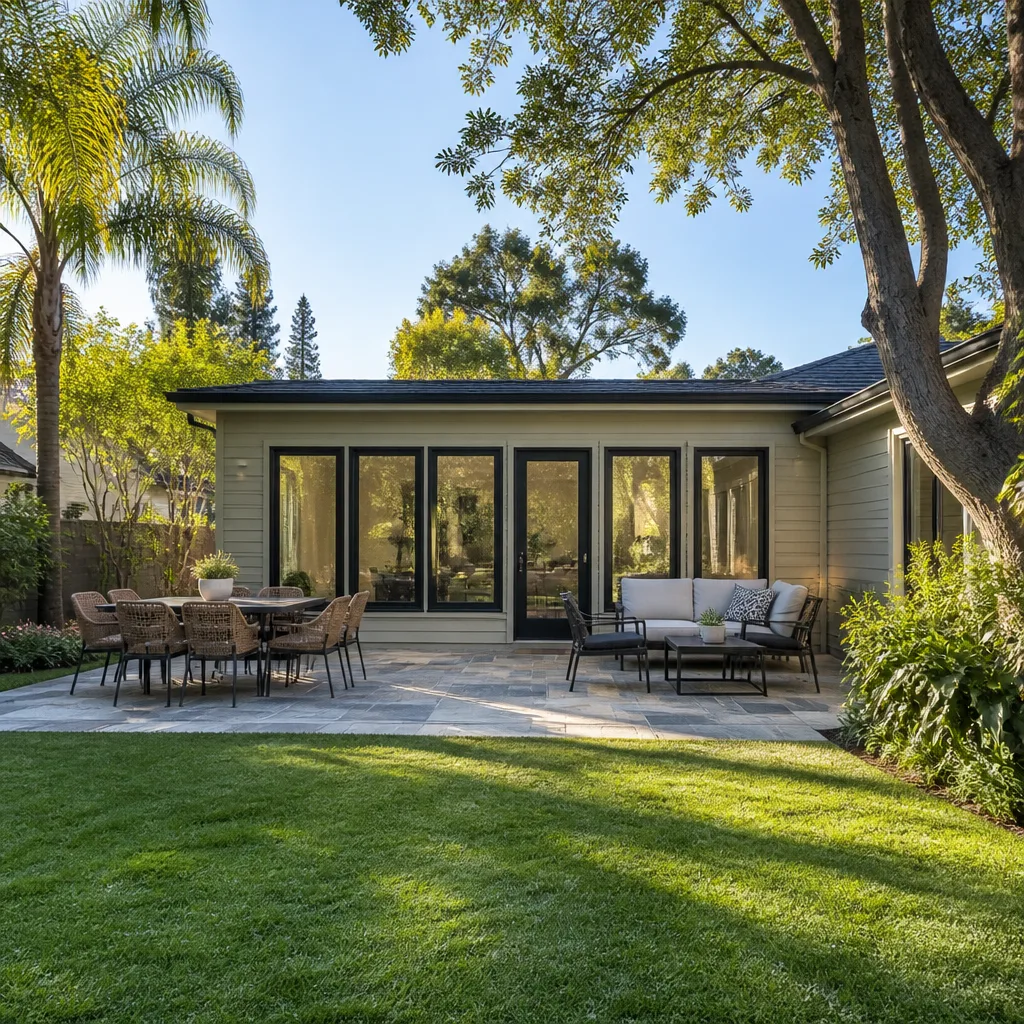
With proper flashing and drainage, the structure itself should last 40 to 60 years. The vulnerable parts are the connections and roof-to-wall transitions, which in Miami’s salt air and hurricane seasons typically need attention every 10 to 15 years. If you’re seeing failures earlier than that, it’s usually a flashing or drainage issue, not the framing.
It depends on how far the damage has spread. Localized roof leaks and flashing failures are repairable. Rotted structural members, a settled foundation, or termite damage in the walls often means partial or full teardown. We’ll tell you which one you’re facing after we open it up, and the written price covers whatever we find. Call (850) 780-8123 for an exact assessment.
Most partial reframes and tie-in repairs take two to four weeks from permit approval to final inspection. A full addition rebuild can run six to twelve weeks depending on scope. We give you a schedule in writing with the quote, and we hold to it.
We stock the common structural materials: pressure-treated and engineered lumber, flashing, connectors, and fasteners for both older and newer Atlas framing. Specialty Atlas-stamped hardware usually gets ordered ahead of the job, which adds a few days. We also work with the same material families you’ll find elsewhere in our projects: KraftMaid, Cambria, and Silestone for finish work. Call us and we’ll check inventory before you commit.
Call (850) 780-8123 to schedule your free estimate. We answer the phone live, no call trees, no waiting until Monday. You’ll get a written price and a straight answer.
Written by Isaac Pruett, Owner, Mason Remodeling Co Miami at Mason Remodeling Co Miami, serving Miami and nearby areas.


