









Free written scope consultation - allowances, timeline, and change-order rules on paper before a single trade is scheduled
Grohe Roofing: The Miami Owner’s Guide
Grohe parts for roofing systems run $470 – $2,125 installed in Miami, depending on which component failed and how much labor it takes to access it. We stock common Grohe-compatible fittings, gaskets, and mounting hardware on the truck, and most repairs are finished same-day once we see the part. You’ll usually discover the failure the way most Miami homeowners do: a small drip after an afternoon storm, a loose flashing that rattles during wind gusts, or a rust stain bleeding down a wall near a roof penetration.
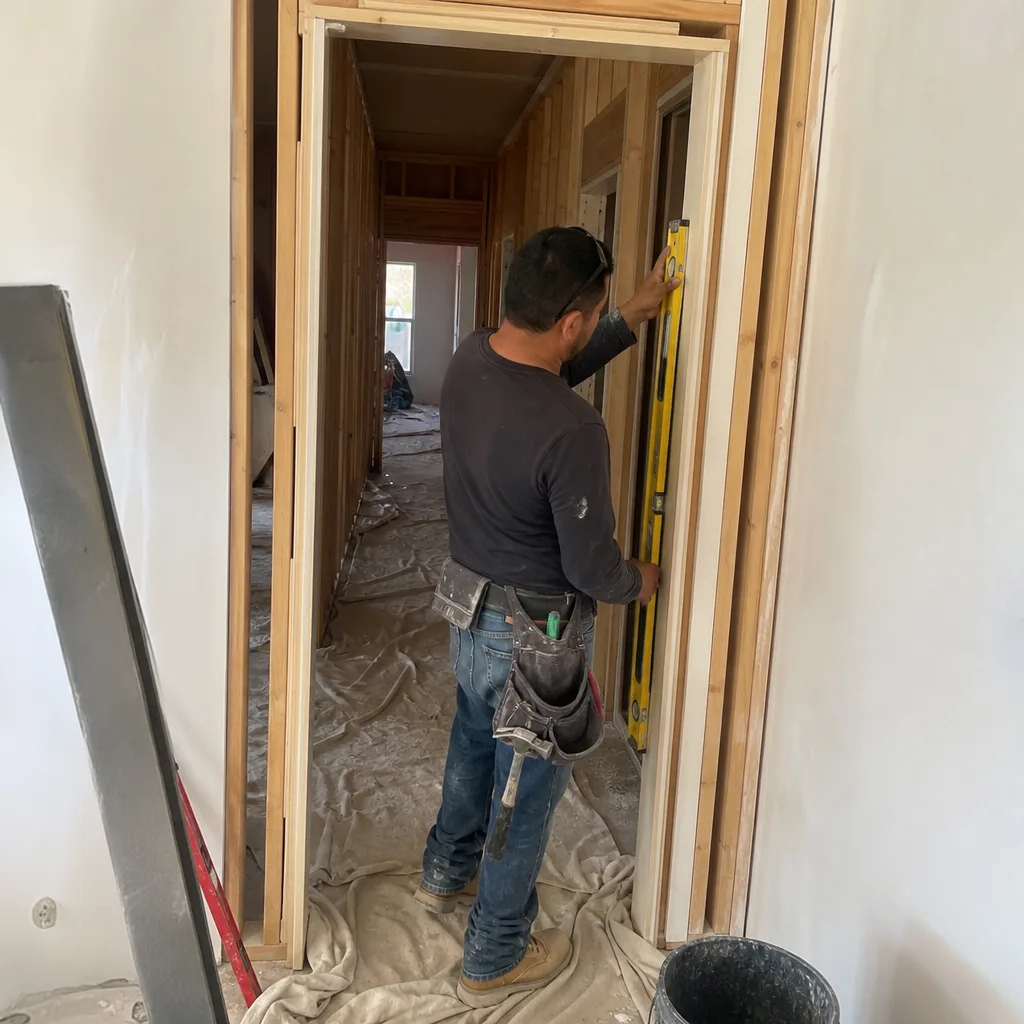
Grohe’s roofing line covers a range of drainage and flashing components: roof outlets, scuppers, overflow drains, and the sealing rings that keep them watertight. The most common failures we see in Miami are degraded EPDM gaskets on flat-roof drains, corroded clamping rings on metal scuppers, and cracked PVC collars where pipes exit the roof deck. Sun and salt air here accelerate rubber and plastic breakdown faster than most manufacturers’ average lifespans predict. We’re an independent service provider, not affiliated with Grohe, but we’ve installed and matched enough of their parts to know which versions hold up and which ones don’t.
Which Grohe Models This Applies To

Grohe roof components are typically identified by a stamped part number on the flange, body, or collar, not by a series name like their faucets. Look for a code beginning with a number followed by a letter group, often molded into the plastic or etched into the metal. The critical measurement is the outlet diameter: Grohe roof drains commonly come in 2″, 3″, and 4″ sizes, and a 2.5″ pipe does not seat properly in a 3″ collar no matter how much sealant you apply. We see that mismatch at least once a month in Miami, usually from a previous repair where someone forced the wrong size.
For OEM versus aftermarket: Grohe’s own gaskets and clamping rings are worth the extra cost on anything flat-roof or low-slope, where standing water tests the seal constantly. Aftermarket equivalents from quality suppliers hold up fine on secondary components like overflow extensions and leaf guards, where fit tolerances are less critical. The one place we won’t substitute is the sealing gasket itself. Grohe’s rubber compound is formulated for UV and chlorine exposure, and the aftermarket generic versions we’ve tested in Miami’s summer sun start cracking inside two years. We stock OEM gaskets in the three common sizes and aftermarket guards and collars for cost-sensitive repairs.
Styles & brands we work with







Signs Your Grohe Roofing Is Failing
- Water staining on interior ceilings near exterior walls – Usually a roof drain gasket that’s dried out and letting water track sideways along the deck before it finds a gap in the framing.
- Visible cracking or crumbling on a rubber collar where a pipe penetrates the roof – UV exposure breaks down the EPDM and turns it chalky; once you can see surface cracks, water is already working into the seam.
- Rust streaks running down from a scupper or roof outlet – The galvanized clamping ring or fasteners are corroding, and the rust means the protective coating is gone in that spot.
- Standing water around a drain that used to clear after rain – Debris has clogged the outlet or the strainer basket is collapsed, but sometimes the drain body itself has shifted and no longer sits flush with the low point of the roof.
- Loose or rattling metal flashing during wind – Fasteners have backed out or the sealant has failed, and in Miami’s storm season that loose piece becomes a sail that works itself further loose with every gust.
See the difference
 Before
 After
After Before
 After
After Before
 After
AfterReplacement Cost & What’s Included
Most Grohe roof part replacements in Miami fall between $470 and $2,125 installed. The spread comes down to access, not parts cost: a simple gasket swap on a single-story flat roof with a ladder takes under an hour, while a scupper replacement on a three-story building with a tile roof requires scaffolding, tile removal, and flashing work before we even touch the fitting.
Here’s what typically drives the price:
- Roof height and pitch – Steep tile roofs take longer to stage safely; single-story flat roofs are fast
- Part type and size – A 2″ EPDM gasket runs $35 – $90 as a part; a 4″ stainless scupper body runs $180 – $400
- Flashing and sealant work – Most replacements require re-bedding the flange and re-sealing around the penetration; that labor is usually 60% of the total
- Debris and drainage cleanup – If the failed part caused standing water, we clear the drain line while we’re up there
Every job gets a written price before we start. No exceptions on that, and it’s not a favor we do for some customers. The workmanship is covered for 365 days from completion, and if anything we installed fails in that window, the second visit is free and we don’t argue about it. Call (850) 780-8123 for an exact quote.
DIY or Call Us?
If you have a flat roof you can access safely from a ladder and the issue is a clogged strainer basket full of leaves, clean it yourself. That’s not a repair; it’s maintenance, and Miami’s live oak canopy means you’ll do it several times a year anyway.
Anything beyond that, call us. Working on a roof edge, especially a wet tile roof or a low-slope membrane after rain, is not a handyman project. The part itself isn’t dangerous to handle; the fall hazard is. We use harnesses and roof jacks on any pitch over 4-in-12, and we won’t send a crew member up without the right staging. If water is already entering the house, don’t wait through the weekend. Call (850) 780-8123 and we’ll tell you what it costs to fix now, not what it costs after the ceiling comes down.
FAQs

EPDM gaskets last 8 – 12 years in Miami’s UV and salt exposure; metal scupper bodies typically last 15 – 20 years unless the fastener holes corrode first. Most failures we see happen in years 9 through 14 on the gaskets, and sooner on fasteners if the original install used non-stainless screws. If your roof is over 10 years old and you see surface cracks on any rubber collar, the part is telling you it’s near the end.
Sometimes, if the issue is a loose clamping ring or a gasket that’s still pliable but leaking at one seam, we can re-seat and re-torque it. If the body is cracked or the rubber is chalky and brittle, no sealant fixes that permanently in Miami’s heat. Call (850) 780-8123 and describe what you’re seeing; we’ll tell you if it’s worth a repair attempt or a straight replacement.
Most single-part replacements take 1 – 2 hours once we’re on the roof. The variable is access: scuppers and drains on tile roofs require careful tile removal and re-bedding, which can stretch the job to half a day. We’ll give you a time window when we quote it, and we finish within the schedule we gave you.
We keep 2″, 3″, and 4″ OEM gaskets, common strainer baskets, and stainless clamping rings on the truck. Less common Grohe components, like replacement overflow extensions or specialty scuppers, take 2 – 4 business days to source. For most failures, the part is already in the truck when we pull up.
Written by Isaac Pruitt, Owner, Mason Remodeling Co Miami at Mason Remodeling Co Miami, serving Miami and nearby areas.


