
Last updated October 15, 2026




Free written scope consultation - allowances, timeline, and change-order rules on paper before a single trade is scheduled
Construction Cost Breakdown: The Miami Homeowner’s Reference for 2026
In Miami-Dade County, the lowest bid on a remodel is statistically the one most likely to cut corners on HVHZ-approved materials. Those products pass a visual inspection but fail a wind-mitigation audit when you try to sell the house. This guide explains exactly what drives construction costs in Miami in 2026, line by line, so you can evaluate bids with the same lens a building inspector uses, and points you to Construction Permits, Codes & Inspections in FL: What You Need to Know for deeper context. You’ll learn real price ranges for kitchens, bathrooms, and additions, why impact-rated windows carry a 40-60% premium, where permit fees actually land, and how to spot a material allowance that quietly downgrades your project.
Styles & brands we work with







Quick Answer
Construction costs in Miami run 15 – 30% above the national average in 2026, driven by HVHZ impact-rated material requirements, higher crew insurance costs, and a permit system with serious enforcement. A mid-range kitchen remodel in Miami currently lands between $45,000 and $85,000, a bathroom between $22,000 and $48,000, and a whole-home addition between $180 and $320 per square foot. The biggest hidden cost is not labor or materials – it’s the gap between what a low bid’s material allowance covers and what actually gets installed.
Table of Contents
- Why Miami Costs More Than the National Average
- Kitchen Remodel Cost Breakdown for 2026
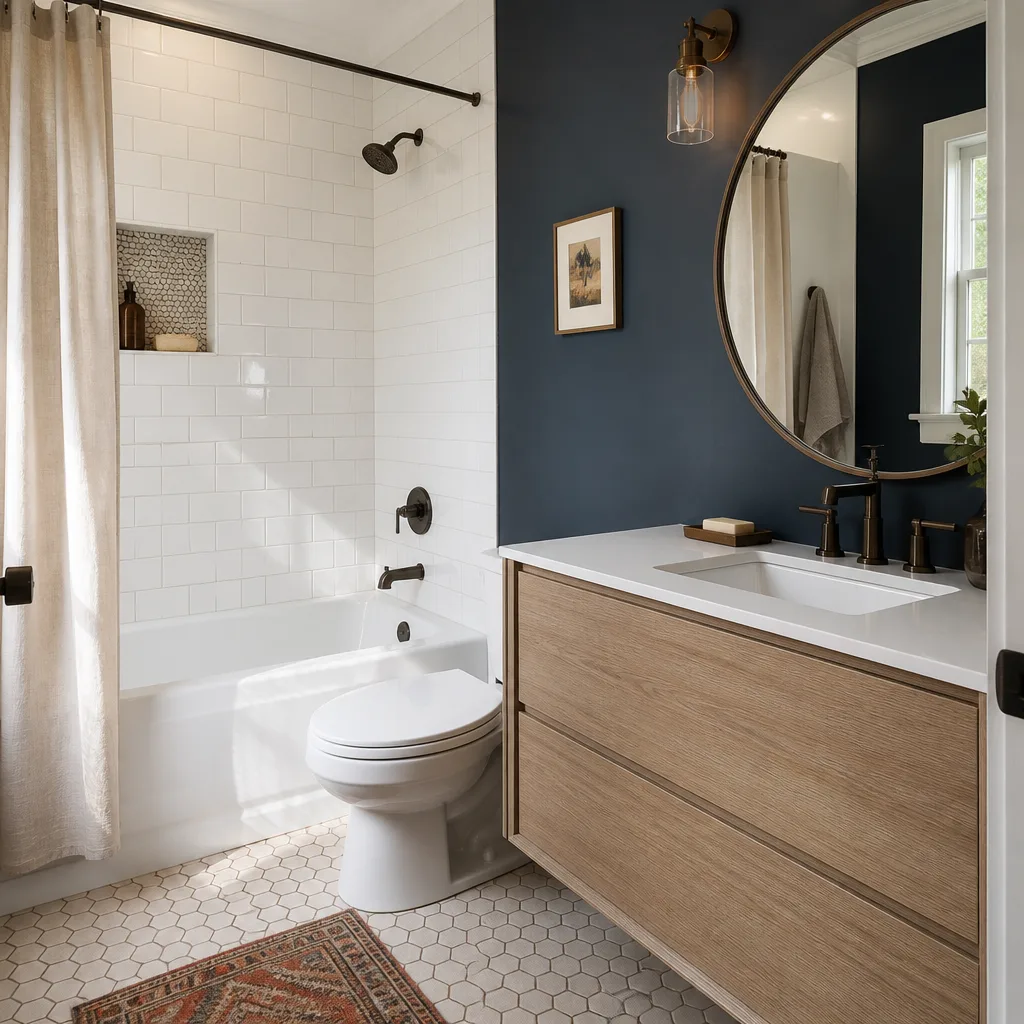
- Bathroom Remodel Cost Breakdown for 2026
- Whole-Home Addition Cost Breakdown for 2026
- The Impact-Rated Window and Door Premium
- Permits, Inspections, and the Fees Most Bids Hide
- How to Read a Material Allowance Line
- Written Fixed-Price Contracts vs. Estimates
- Common Mistakes to Avoid
- When to Call a Professional
- Frequently Asked Questions
- The Bottom Line
Why Miami Costs More Than the National Average
Miami is not like building in Orlando, Atlanta, or Houston. The entire county sits inside a High Velocity Hurricane Zone, a designation that changes what materials are legal to install, how they must be fastened, and what documentation must exist before drywall goes up. That single fact cascades through every line item on a bid.
The three structural cost drivers are:
- HVHZ material requirements. Every window, exterior door, roof deck, and garage door must meet Miami-Dade product approval standards. These are not optional upgrades. A standard vinyl window that costs $280 in Jacksonville costs $430 – $520 in Miami because the impact-rated version requires laminated glass, reinforced frames, and county-stamped approval paperwork.
- Insurance on crews. General liability and workers’ compensation premiums for Miami contractors run significantly higher than state averages because of storm exposure and litigation history in South Florida. Those costs show up in the labor rate, not as a separate line. We see labor rates in Miami running $65 – $110 per hour for skilled trades, compared to $45 – $75 in central Florida markets.
- Permit enforcement with teeth. Miami-Dade’s building department actually enforces its code. Unpermitted work gets flagged during resale inspections, and the county has a formal unsafe structures process that can force remediation. That means permits are not optional, and they carry real fees plus the time required for inspections.
We’ve worked on homes throughout Mason Remodeling Co Miami home service territory, and the pattern is consistent: homes in Coconut Grove, Coral Gables, Pinecrest, and Kendall all carry the same underlying cost structure because the HVHZ code applies county-wide, not by neighborhood.
Kitchen Remodel Cost Breakdown for 2026
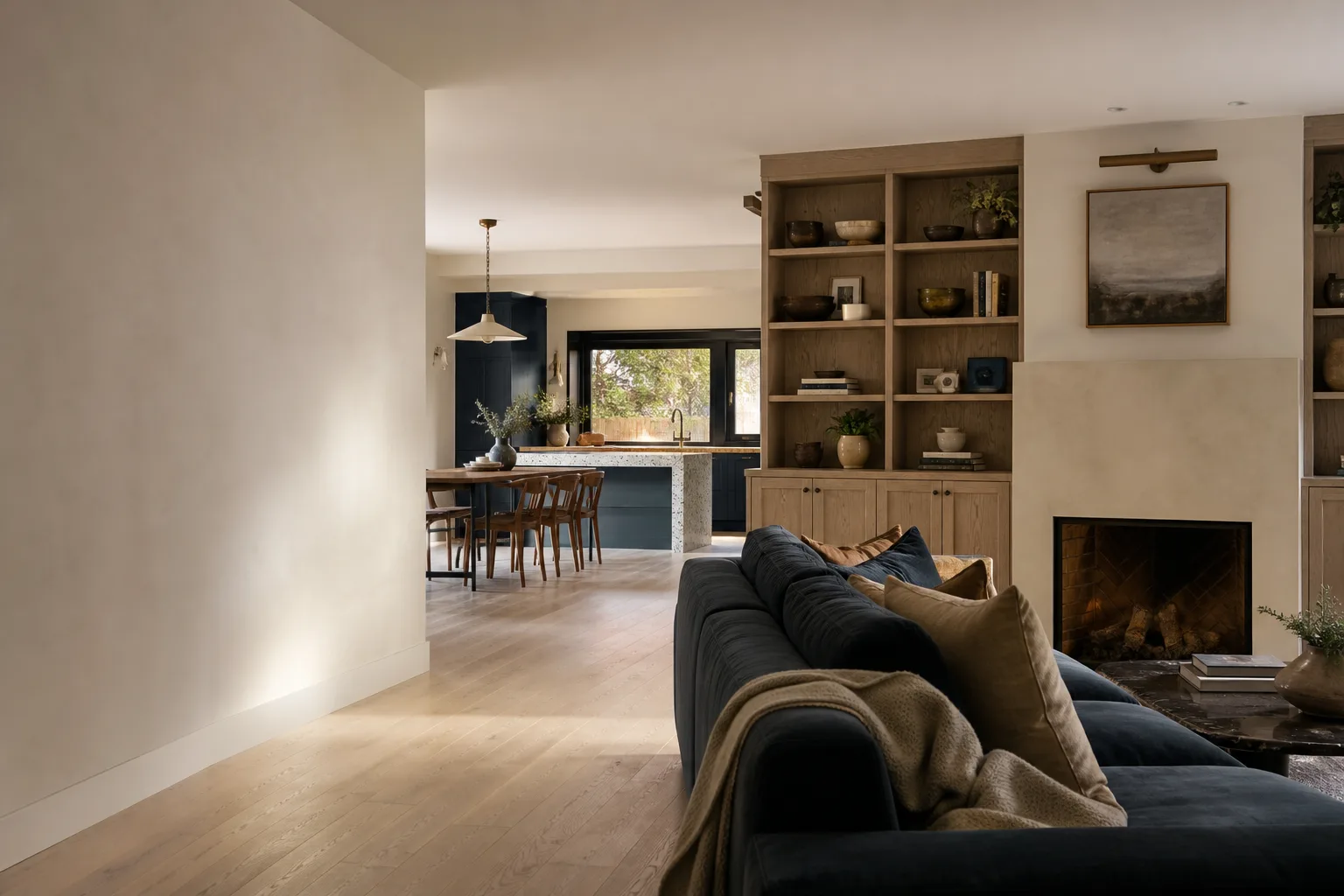
A mid-range kitchen remodel in Miami in 2026 is running $45,000 to $85,000 for a typical 150 – 200 square foot kitchen. High-end projects with custom cabinetry, premium appliances, and layout changes push past $110,000. Here is where the money goes, based on current local market pricing we see on active projects.
- Cabinetry: $14,000 – $28,000. Semi-custom lines like KraftMaid and Wellborn make up most of the mid-range spec. Stock cabinets run less but rarely survive Miami’s humidity swings without door warping within a few years. Custom builds run higher, especially when you’re dealing with older Miami homes where no wall is square.
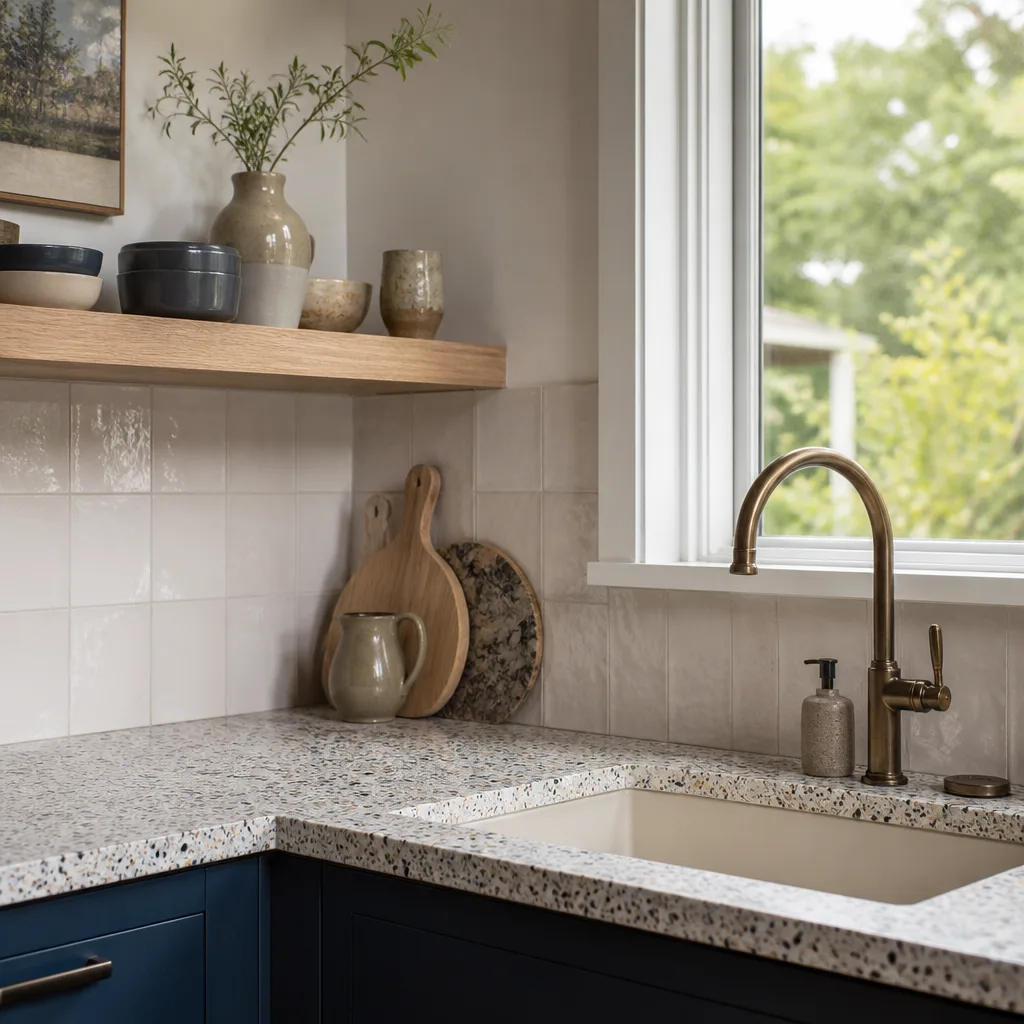
- Countertops: $5,000 – $11,000. Quartz from Cambria, Silestone, or Caesarstone dominates the Miami market because it handles humidity better than natural stone and doesn’t require annual sealing. Natural stone like marble looks great in photos but etches easily with Miami’s hard water.
- Appliances: $6,000 – $15,000. This covers a mid-tier suite. Premium brands like Sub-Zero or Wolf push the line to $25,000 and up.
- Flooring: $3,500 – $7,000. Porcelain tile is the workhorse in Miami kitchens because it handles moisture and sand tracked in from outside. Luxury vinyl plank is gaining share, but we caution against anything fiberboard-based in a flood-prone area.
- Plumbing and electrical: $5,000 – $12,000. Older Miami homes often have aluminum wiring or cast-iron drain lines that need upgrades to meet current code. The inspector will require it, so a bid that doesn’t account for it is guessing.
- Labor: $9,000 – $18,000. This includes demolition, carpentry, tile setting, and finish work.
- Permits and inspections: $1,500 – $3,500. More on this below.
For a full breakdown of what’s involved in a Home Remodeling in Miami project, including timeline and process details, start with the scope conversation before you fall in love with a tile selection.
Kitchen Remodel by the Numbers: 2026 Miami Ranges
- Budget-conscious (stock cabinets, laminate tops): $30,000 – $45,000
- Mid-range (semi-custom cabinets, quartz tops): $45,000 – $85,000
- High-end (custom cabinets, premium appliances, layout changes): $85,000 – $140,000+
Bathroom Remodel Cost Breakdown for 2026
Bathrooms in Miami are currently running $22,000 to $48,000 for a full gut-and-replace of a typical 5×8 to 8×10 bathroom. Large primary bathrooms with separate tub and shower, dual vanities, and custom glass work land between $55,000 and $85,000.
Here is the line-item view:
- Demolition and disposal: $1,800 – $3,500. Miami disposal fees are higher than most markets because of county landfill surcharges and haul distances.
- Shower and tub system: $4,000 – $12,000. This includes the waterproofing system, which matters more in Miami than almost anywhere else. We use full waterproofing membranes behind tile, not green board. A Schluter strip – the metal trim that seals the edge where tile meets flooring – is now standard on most of our bathroom projects because it prevents the moisture wicking that causes tile edge failures in humid climates.
- Flooring: $2,200 – $5,000. Porcelain tile, again. It handles the humidity and is easier to keep clean with Miami’s sand and salt exposure.
- Vanity and countertop: $2,500 – $6,000. A quality vanity from a cabinet line paired with quartz or solid surface.
- Fixtures: $1,800 – $4,500. Kohler, Moen, and Toto are our go-to lines because replacement parts stay available for decades, which matters when a toilet fill valve fails in a Miami home with hard water and you need the part same-day.
- Plumbing and electrical upgrades: $3,000 – $8,000. Many Miami homes built before 1990 have copper supply lines that are nearing end of life, and the galvanized drain lines will eventually need replacement. A bathroom remodel is the cheapest time to do this work because the walls are already open.
- Labor: $5,000 – $12,000.
- Permits: $800 – $1,800.
We’ve covered this process in depth on our dedicated Bathroom Remodeling in Miami page, including what a typical timeline looks like from demo day to final inspection.
Whole-Home Addition Cost Breakdown for 2026
Additions in Miami run $180 to $320 per square foot in 2026, depending on the complexity of the roofline, whether you’re tying into existing plumbing and electrical, and what’s happening below grade. The single biggest variable is the roof tie-in: a simple gable extension costs less than a complex hip roof integration, and Miami’s wind-load requirements amplify that difference.
A 400 square foot bedroom and bathroom addition in a neighborhood like Westchester or Shenandoah is typically running $72,000 to $128,000. The line items look like this:
- Foundation and slab: $8,000 – $18,000. Miami’s sandy soil and high water table require engineered fill and sometimes extra compaction. In flood zones, you may need to elevate the finished floor, which adds cost fast.
- Framing and structural: $15,000 – $35,000. Hurricane strapping, impact-rated structural connections, and roof-to-wall tie-downs are all codified requirements in Miami-Dade. A builder who skips these is not saving you money – they’re setting you up for a failed mitigation inspection.
- HVAC extension: $6,000 – $14,000. Your existing system likely can’t handle the added square footage. In Miami’s climate, undersizing an AC is the fastest way to mold problems.
- Electrical and plumbing: $8,000 – $18,000.
- Windows and exterior doors (impact-rated): $4,000 – $10,000.
- Roofing: $7,000 – $15,000. The roof on an addition must meet the same wind-uplift ratings as the rest of the house. Shingle brands like GAF, CertainTeed, and Owens Corning all make Miami-Dade approved product lines.
- Interior finishes: $15,000 – $30,000.
- Permits and inspections: $2,500 – $6,000.
For a wider look at how a General Contractor in Miami manages a project of this scope, including who’s on site and how the schedule is sequenced, see our service overview.
The Impact-Rated Window and Door Premium
Impact-rated windows and doors cost 40 – 60% more than standard units. In Miami, that premium is non-optional. The entire county is inside the HVHZ designation, which means every window and exterior door must carry a Miami-Dade County product approval and meet specific missile-impact and wind-pressure standards.
Here’s what that 40 – 60% premium actually buys you:
- Laminated glass. Two panes of glass bonded to a plastic interlayer. When a 2×4 hits at 50 feet per second during a storm, the glass may crack but it stays in the frame rather than shattering into your living room.
- Reinforced frames. The aluminum or vinyl frame is extruded thicker and mechanically fastened differently than a standard window. Standard frames torque under wind load; impact-rated frames are engineered not to.
- County-approved documentation. Each window carries a NOA (Notice of Acceptance) number that a wind-mitigation inspector will check when you eventually sell the home. A window without that paperwork might as well not be impact-rated, because the inspector can’t verify it.
We see this play out in resale transactions regularly. A homeowner in Coral Gables replaces windows in 2021 with “hurricane-rated” units bought from an online supplier. The units are genuinely impact-rated, but they don’t carry Miami-Dade product approval because the manufacturer never submitted them for local testing. The homeowner saved roughly 25% on materials. When they sold in 2024, the wind-mitigation inspection came back negative, and the buyer’s insurance premium was $4,200 higher per year. That 25% savings turned into a permanent liability.
Builders like Dvele and Cover are pushing modular construction methods that integrate impact-rated envelopes from the factory, which is a signal of where the Miami market is heading – but for now, traditional stick-built with field-installed impact products remains the standard.
Permits, Inspections, and the Fees Most Bids Hide
The permit and inspection layer on a Miami remodel typically runs $1,500 to $6,000 depending on scope, and it is the line item most often buried or excluded entirely from low bids. Here is what is actually in this layer:
- Miami-Dade County permit fees. Calculated as a percentage of the declared project value, plus a flat application fee. For a $60,000 remodel, the building permit itself is usually $1,200 – $2,000.
- Notice of Commencement recording fee. Required by Florida law for any project over $2,500. The county records this document, and it protects you from lien claims from subcontractors and suppliers. Recording fees run $50 – $150, but the document itself is legally mandatory.
- Third-party inspection fees. Miami-Dade relies heavily on private providers for inspections, especially for structural and mechanical work. Each inspection carries a fee, usually $100 – $250 per visit. A typical kitchen remodel has 4 – 8 inspections; a full addition can have 15 or more.
- Impact and engineering fees. If your project involves roof work, window replacement, or any structural change, you will need sealed engineering calculations. Those run $800 – $2,500 depending on scope.
- Ask what product the allowance actually buys. Not the category – the specific brand and line. “Tile allowance: $4/sq ft” is meaningless. “Porcelain tile from the Marazzi Montagna line, which runs $4.10/sq ft at our supplier” is specific.
- Ask what happens if you go under the allowance. Some contractors refund the difference. Some pocket it. You want this stated in writing.
- Ask what happens if you go over. Most contracts require you to pay the overage plus a markup. Know the markup percentage before you sign.
- The price does not change unless you change the scope. If lumber spikes mid-project, that is the contractor’s risk, not yours.
- The material specifications are locked. You know the cabinet line, the countertop brand, the fixture models, the window manufacturer. No substitutions without your written approval.
- The timeline is defined. Start date, milestone dates, and completion date are in writing. Not “roughly 6-8 weeks.”
- Picking the lowest bid because it feels like savings. In Miami, the lowest bid is most often the one cutting material allowances, skipping permit line items, or planning to use non-HVHZ products. You will pay the difference later, either in change orders or in a failed inspection.
- Skipping the Notice of Commencement. This document protects you from liens. Every legitimate Miami contractor files it for any project over $2,500. If yours doesn’t, that’s a red flag.
- Accepting a verbal price. A verbal price is not enforceable, and it is not a price. It’s a conversation. A written price on every project, every time, is the only version that protects you.
- Assuming “hurricane-rated” means Miami-Dade approved. As covered above, the product must carry a NOA number specific to Miami-Dade County. Anything else is unverifiable on a wind-mitigation report.
- Value-engineering away the waterproofing. In Miami’s humidity, a shower built without a proper membrane system will show mold and water damage within 3 – 5 years. The repair costs more than the original waterproofing ever would have.
- Overlooking the insurance implication. Your homeowner’s insurance premium is directly affected by whether your home has impact-rated openings and a clean wind-mitigation inspection. Skimping on impact products saves you money once and costs you every year after.
A bid that only lists “permit fees: $400” is either guessing or planning to skip inspections. In Miami-Dade, inspectors actually show up. They check the tie-downs on the roof, the waterproofing in the shower, the gauge of the electrical wire. When a project gets flagged for a failed inspection-something our Construction Warning Signs: A Miami Homeowner’s Reference Guide can help you avoid-the cost of fixing it is always higher than doing it right the first time.
How to Read a Material Allowance Line
The material allowance line is where low bids hide the gap between what was quoted and what gets installed. Here is how it works.
A contractor writes: “Tile allowance: $4 per square foot.” You nod, because $4 sounds fine. What the contractor knows is that tile in Miami showrooms that actually looks good starts around $8 – $10 per square foot. The $4 allowance covers the big-box closeout section, not the porcelain you saw in the design magazine. When you inevitably pick the $9 tile, the contractor issues a change order, and your price goes up by $1,800 for a typical bathroom floor and shower surround.
This is not fraud. It’s a pricing strategy. The bid looks lower, wins the job, and then the allowances do the real work of bringing the final price up to where the contractor needed it to be in the first place.
Here is how to read an allowance line:
At Mason Remodeling Co Miami, we write a fixed price before any work starts – not an estimate with open-ended allowances. Every line item is priced to the actual product we intend to install, and that price is delivered in writing before we ask for a deposit. That’s what a written price means.
Written Fixed-Price Contracts vs. Estimates
An estimate is a guess. A written fixed-price contract is a commitment. The difference matters most in Miami because material prices here shift faster than in most markets, especially on anything tied to glass, aluminum, or imported stone.
Here is what a written fixed-price contract guarantees:
An estimate guarantees none of that. A contractor can hand you an estimate that says $55,000, and when the job runs to $78,000, you have no legal basis to object because an estimate is not a contract.
The distinction appears in every scope conversation we have on Home Remodeling in Miami projects. Homeowners who have been through a bad remodel know the difference instantly. Homeowners who haven’t tend to learn it the expensive way.
Common Mistakes to Avoid
When to Call a Professional
Any project that involves structural changes, plumbing, electrical work, or roof tie-ins requires a licensed professional in Miami-Dade County, full stop, a topic we cover in our DIY vs Professional Construction: The Miami Homeowner’s Decision Guide. That’s not a preference. It’s a code requirement, and the county enforces it. Projects that change the footprint of your home, add square footage, open load-bearing walls, or reconfigure wet areas always need permits and inspections.
Even on smaller projects, the complexity of Miami’s code requirements makes professional guidance worth the cost. If you are unsure whether your window replacement needs impact-rated products, or whether your bathroom remodel will trigger a plumbing inspection, get an answer before you start. Mason Remodeling Co Miami offers free estimates in Miami – call (850) 780-8123 and we’ll walk you through what your specific project needs.
Frequently Asked Questions
A mid-range kitchen remodel in Miami costs $45,000 to $85,000 in 2026, with budget projects starting around $30,000 and high-end projects exceeding $110,000. The Miami premium comes from HVHZ material requirements and higher local labor rates. Call (850) 780-8123 for an exact quote – estimates are free.
Miami sits inside the High Velocity Hurricane Zone, which mandates impact-rated windows, doors, and roofing materials that cost 40 – 60% more than standard products. Crew insurance premiums are also higher in South Florida, and the county’s permit enforcement adds a real cost layer that other markets don’t carry.
Yes. Any project that modifies plumbing, electrical, or structural elements requires a permit in Miami-Dade County. Unglamorous work like moving a drain line or adding an outlet triggers inspection requirements, and unpermitted work becomes a liability when you sell.
A material allowance is a dollar cap the contractor sets for a category like tile or fixtures. Low bids often set allowances below the cost of products you’d actually want, which means your final price goes up through change orders. A written fixed price eliminates this by specifying exact products before work starts.
It depends on what you signed. An estimate can change for any reason. A written fixed-price contract only changes if you change the scope. Always ask whether the number you’re given is an estimate or a fixed price, and get the answer in writing.
A typical 400 square foot addition takes 5 – 8 months from permit application to final inspection in Miami. The permit review process alone takes 3 – 6 weeks depending on the scope and whether the county requires plan revisions. Inspection scheduling adds another layer. Call (850) 780-8123 for a timeline specific to your project.
The Bottom Line
Miami construction costs are higher than national averages for documented reasons: impact-rated materials are mandatory, crew insurance is expensive, and the permit system has real enforcement. That means the cheapest bid is rarely the best value. A bid that excludes HVHZ materials, skips permit line items, or hides behind vague material allowances will cost you more in change orders, failed inspections, and insurance premiums than the higher bid ever would have. Get everything in writing, understand what every line item actually buys, and treat the permit layer as a requirement, not an option. For more guides & resources, explore our blog. That is how smart Miami homeowners evaluate bids in 2026.
Written by Isaac Pruett, Owner at Mason Remodeling Co Miami, serving Miami since 2004.
See the difference
 Before
 After
After Before
 After
After Before
 After
After

